DRFZ/MPI, Charité Campus Mitte Charitéplatz 1, 10117 Berlin
Interne Adresse: Virchowweg 12
Buy tickets
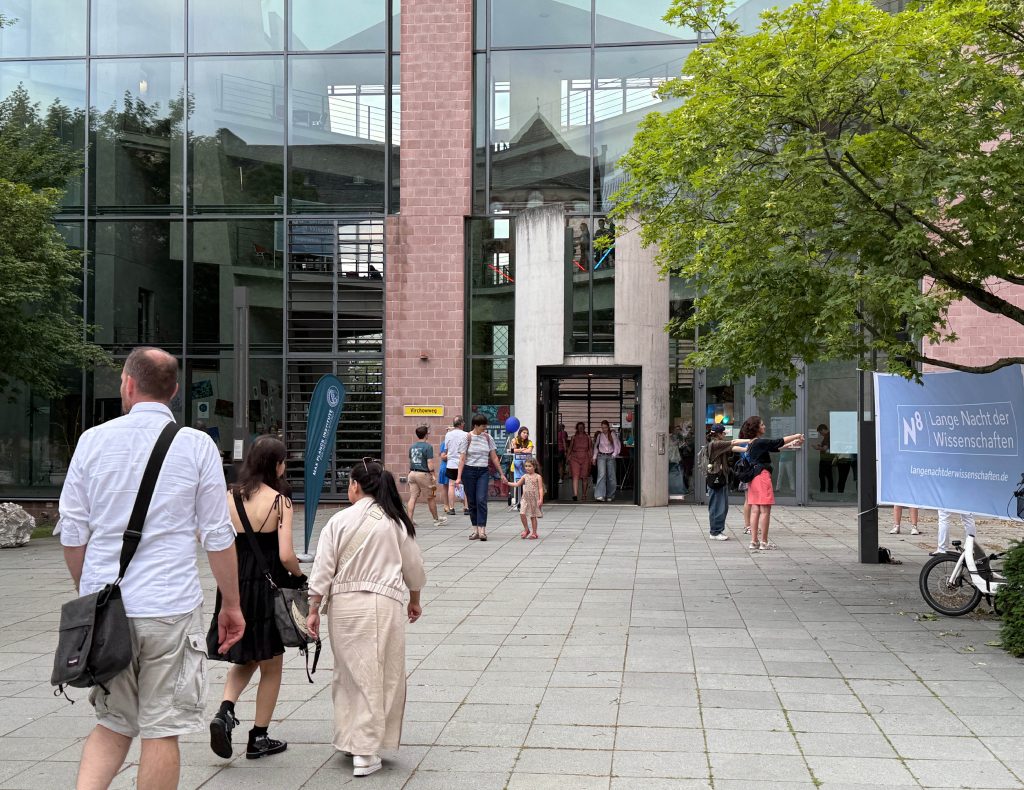
On 6 June 2026, the Long Night of the Science will take place in Berlin and Potsdam from 5 p.m. to midnight. The DRFZ will also open its doors together with the Max Planck Institute for Infection Biology on the Charité campus in Mitte.
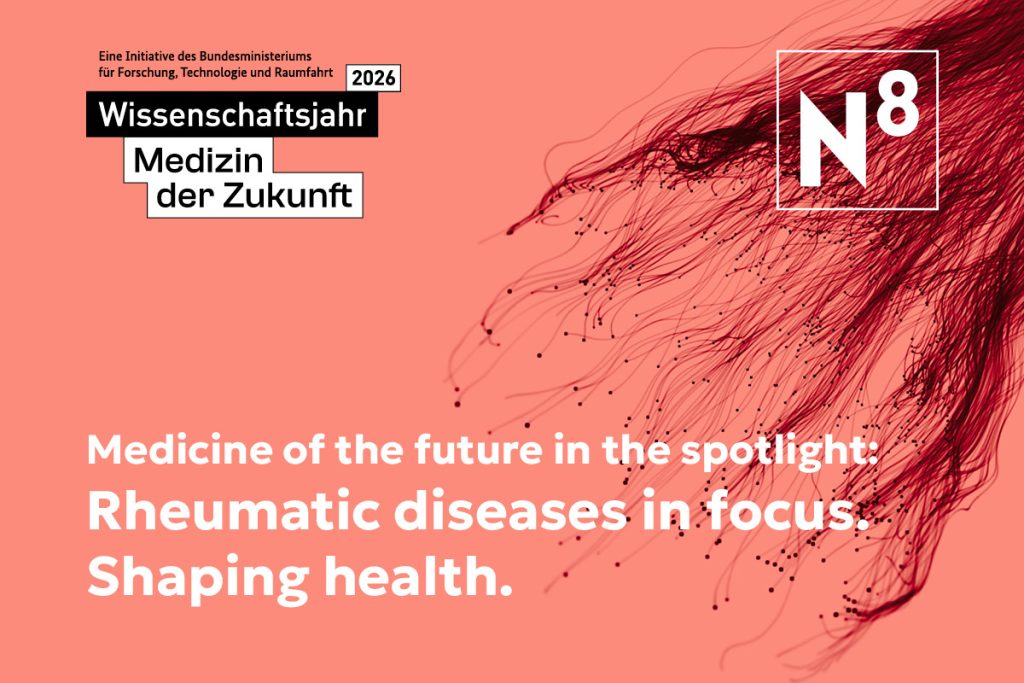
The 2026 Science Year “Medicine of the Future”, launched by the Federal Ministry for Research, Technology and Space, revolves around the question of how we can stay healthy and how research is shaping the medicine of tomorrow – making it preventive, personalized, digital and participatory. Under the motto “Medicine of the future in the spotlight: Rheumatic diseases in focus. Shaping health.” the DRFZ will show how our research can help to detect rheumatic diseases earlier, treat patients more precisely and sustainably improve the quality of life of those affected.
Programme
Together with specialists from Berlin rheumatology clinics, the Deutsche Rheuma-Liga, the Morbus Bechterew Association and the German Society for Immunology, we invite curious visitors to our institute to take part in hands-on experiments, join guided tours of our laboratories and discuss the medicine of the future.
The program mix of the DRFZ corresponds to the research concept of the DRFZ – research in cooperation with clinics for the patients:
During the Long Night of Science, you can learn about our research methods and visions from basic research to cure during experiments, a science slam and laboratory tours. Doctors will answer your questions about rheumatic diseases. You can even do small health checks. In addition, patient associations offer exciting information and hourly hands-on sports activities for those affected and interested.
Presentations and lab tours will be in German; however all colleagues speak English, so please don´t hesitate to join our event!
Lectures with guaranteed comprehensibility – in German
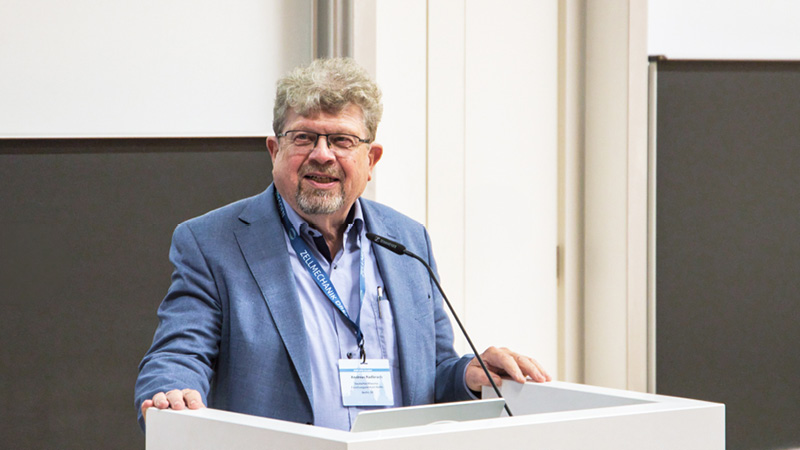
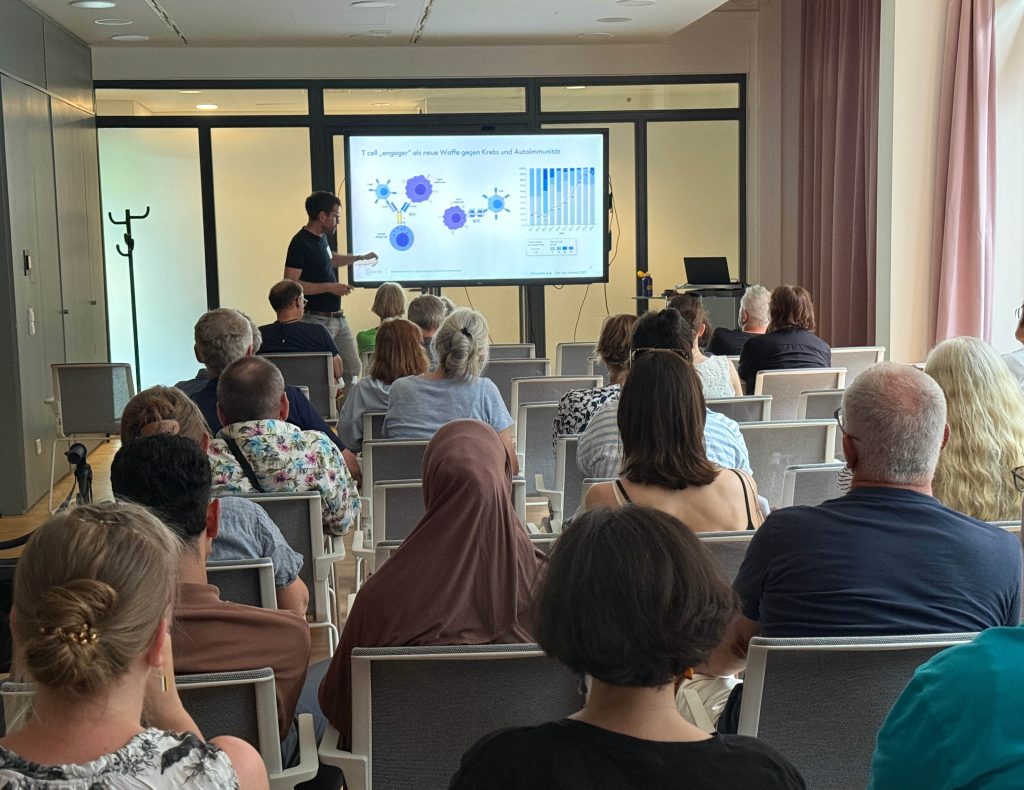
Prof. Dr. Andreas Radbruch, former Scientific Director of the German Rheumatology Research Center Berlin, a Leibniz Institute, explains how vaccinations change the immune system to provide lasting protection against infections and what role vaccinations play in autoimmune conditions such as rheumatic diseases. After the lecture, you can also ask him questions in English!
Lecture, 5:30 p.m., Seminar Room 1
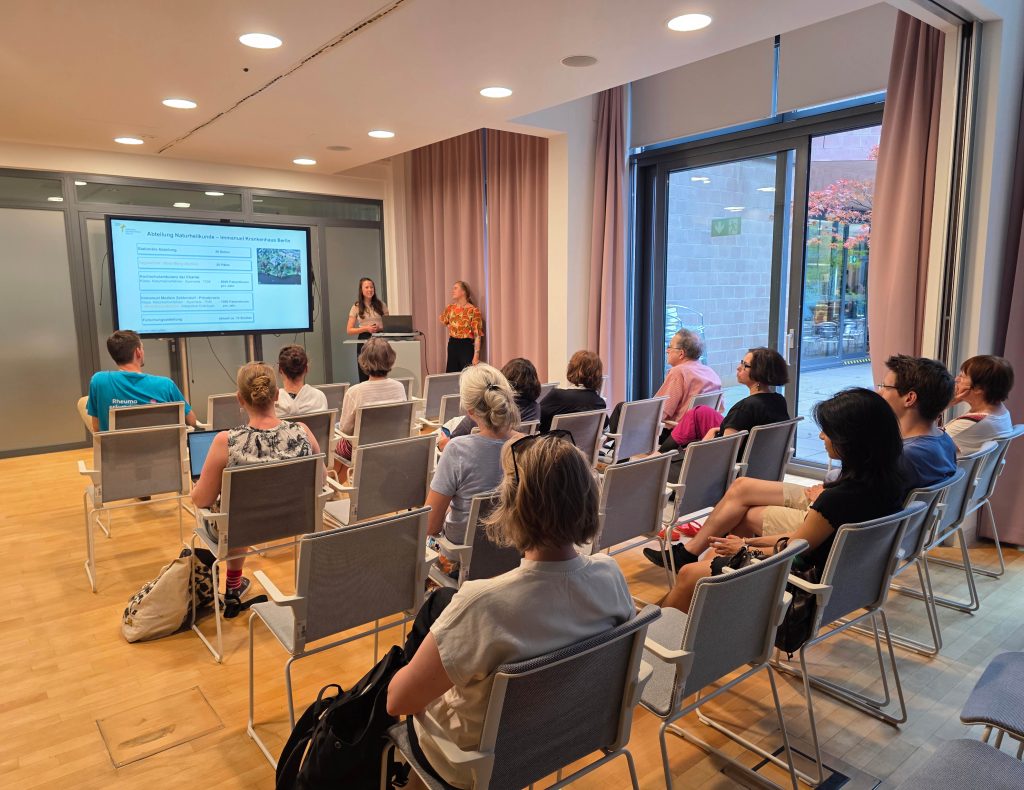
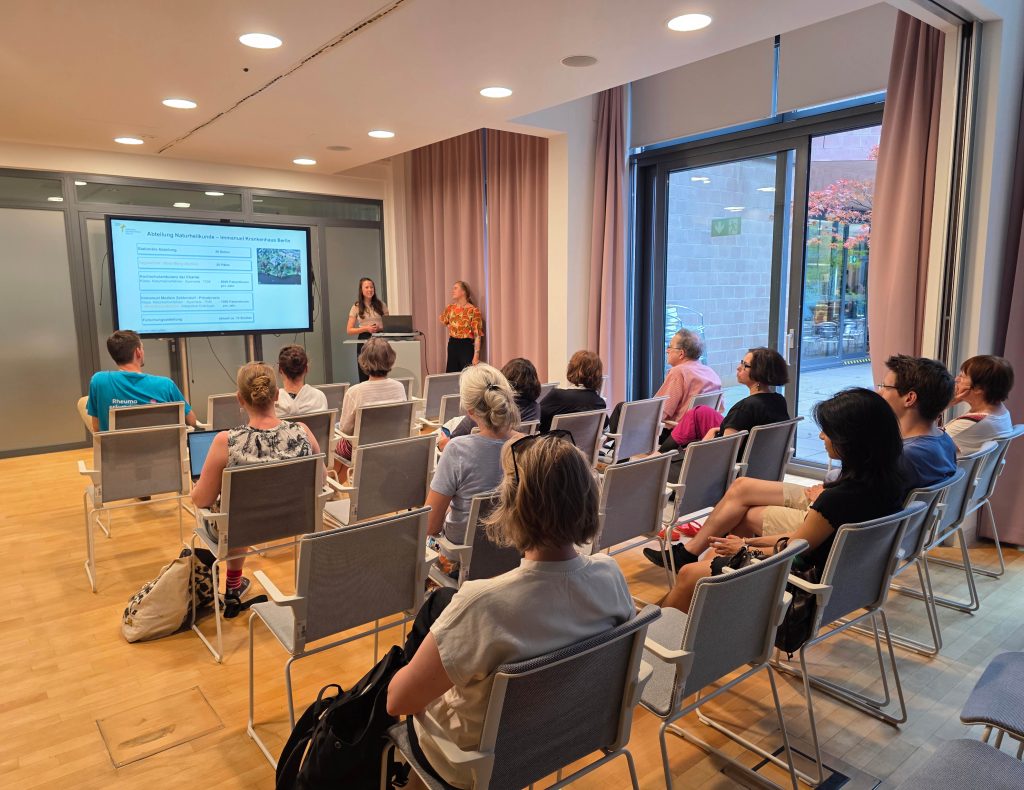
Edible mushrooms contain natural substances that, according to the latest findings, have a positive effect on our metabolism. The focus is on the shiitake mushroom: we show which ingredients in shiitake—above all eritadenine and beta-glucans—can influence our fat metabolism. Nutrition therapist Sara Meiß from the Clinical Naturopathy Working Group at Charité provides an overview of the potential and limitations of the therapeutic use of edible mushrooms in nutritional medicine—informative, interactive, and with a small taste sample.
Lecture, 6:30 p.m., Seminar Room 1
Mobile laboratories
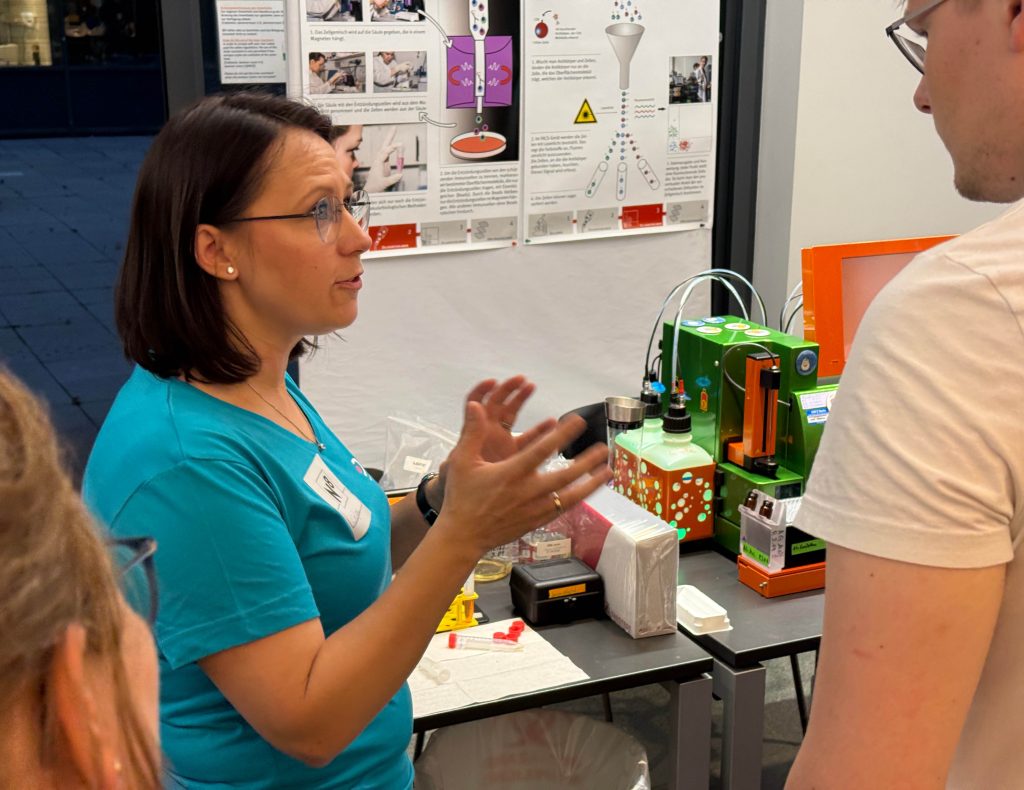
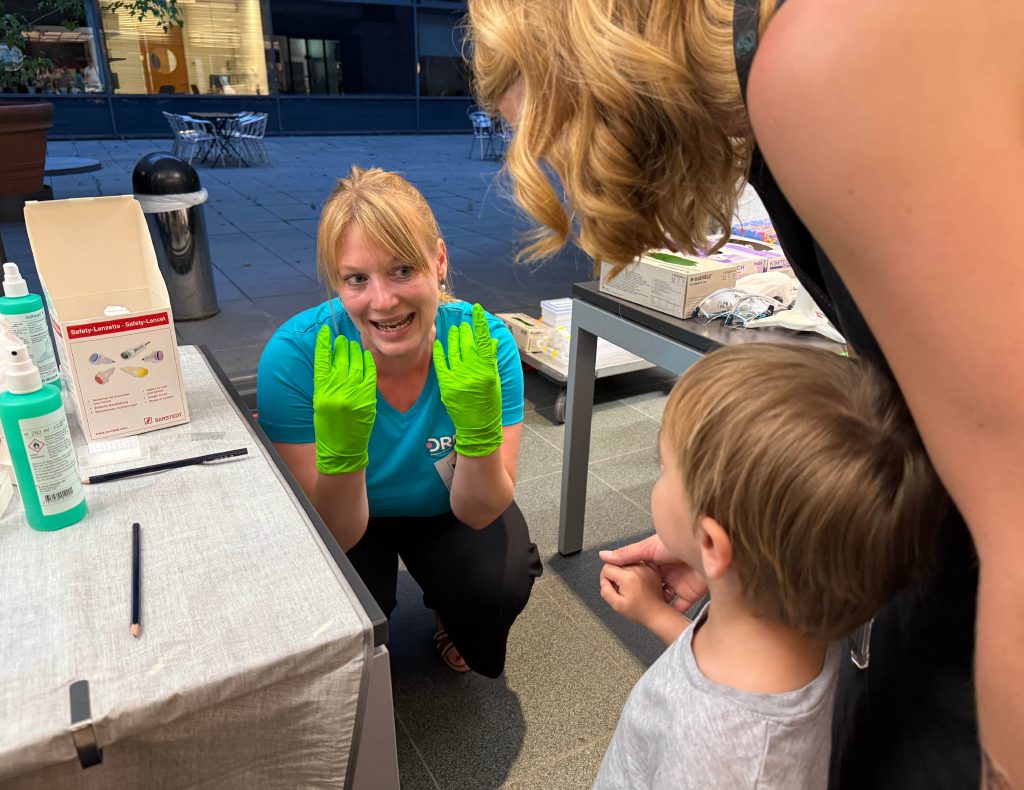
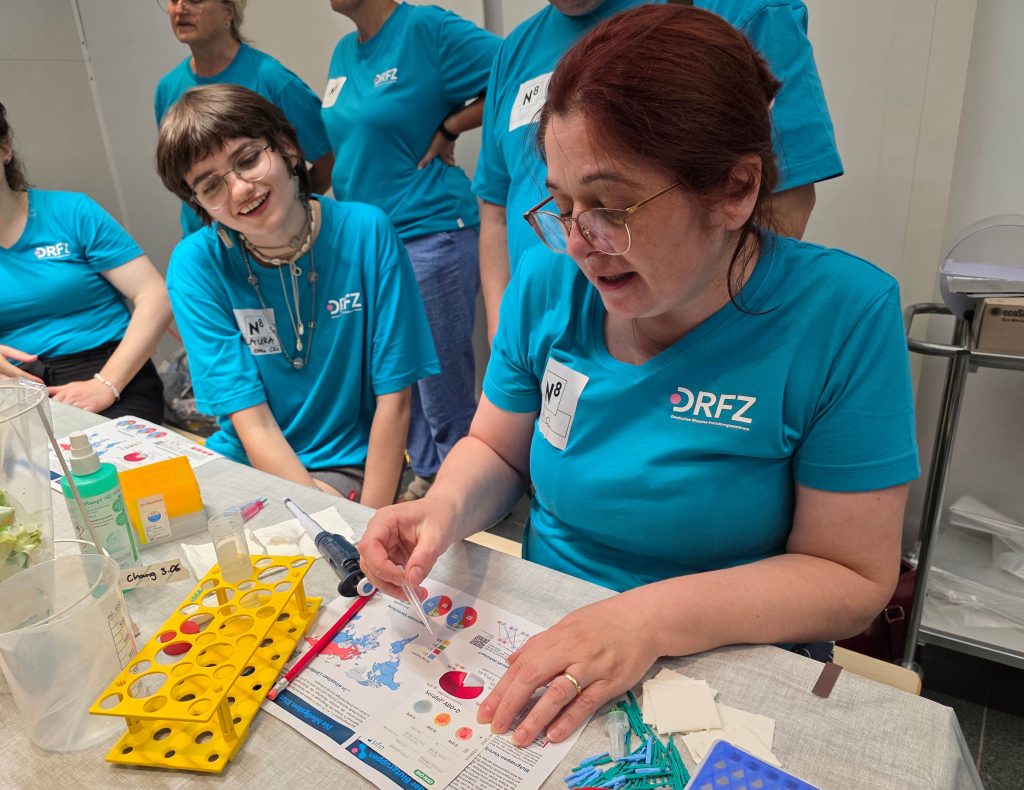
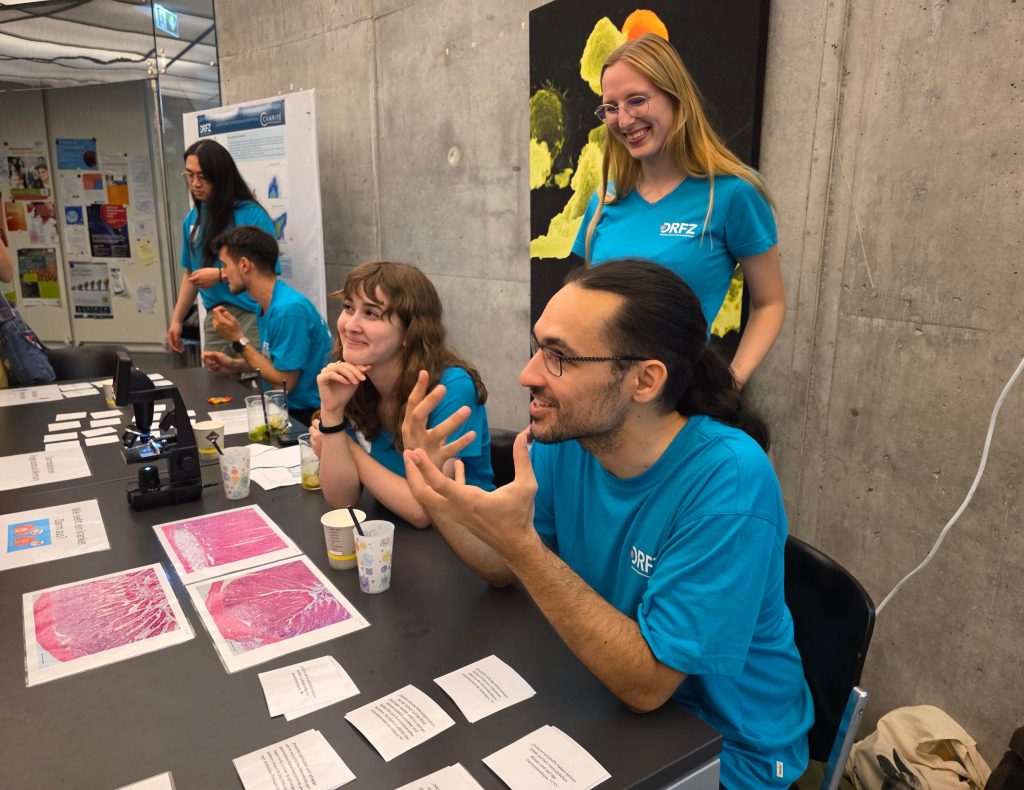
Experiment with the scientists from the DRFZ and pick up a pipette yourself (continuously from 5 p.m. to midnight).
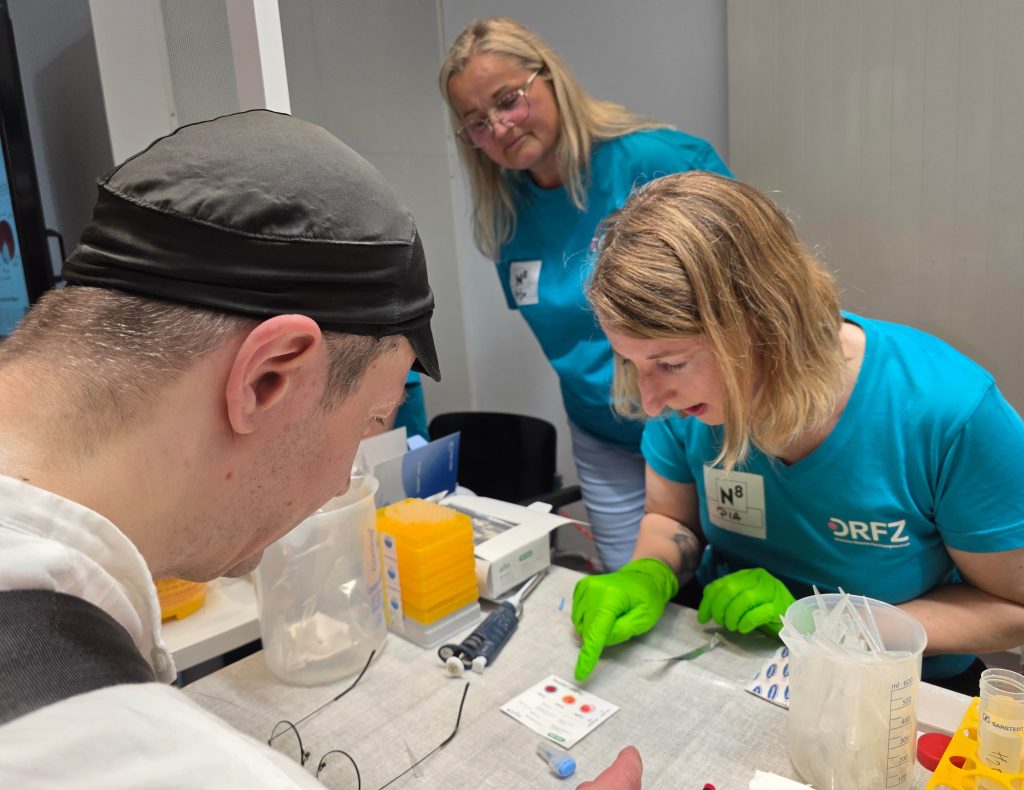
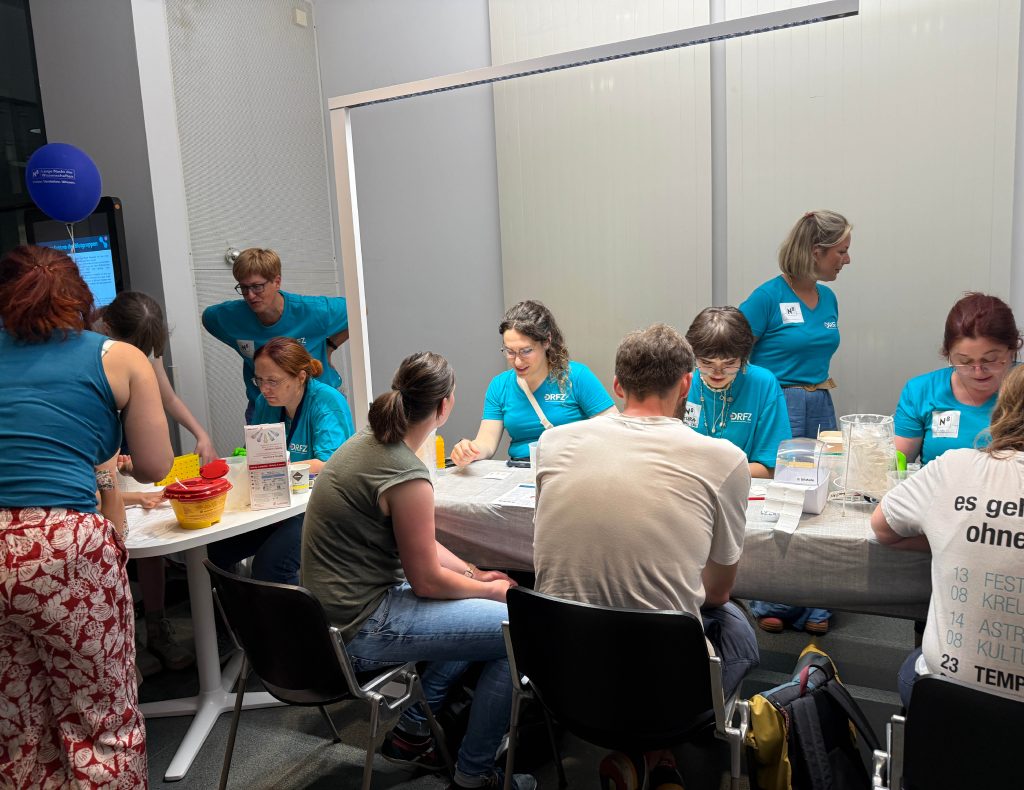
Do you know your blood type? Find out!
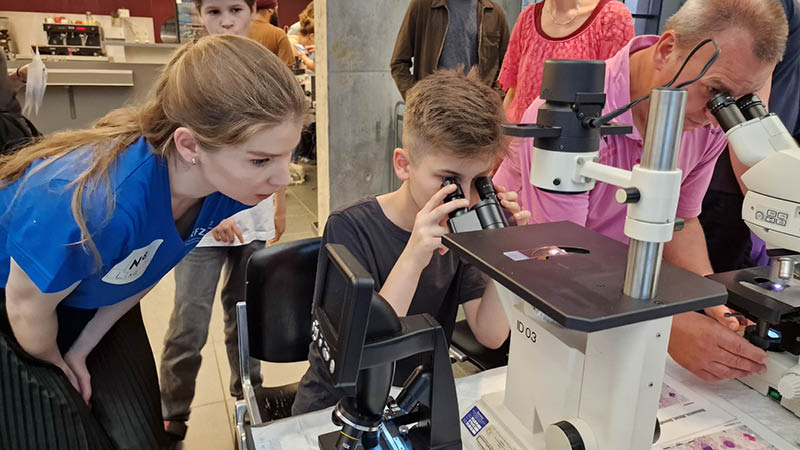
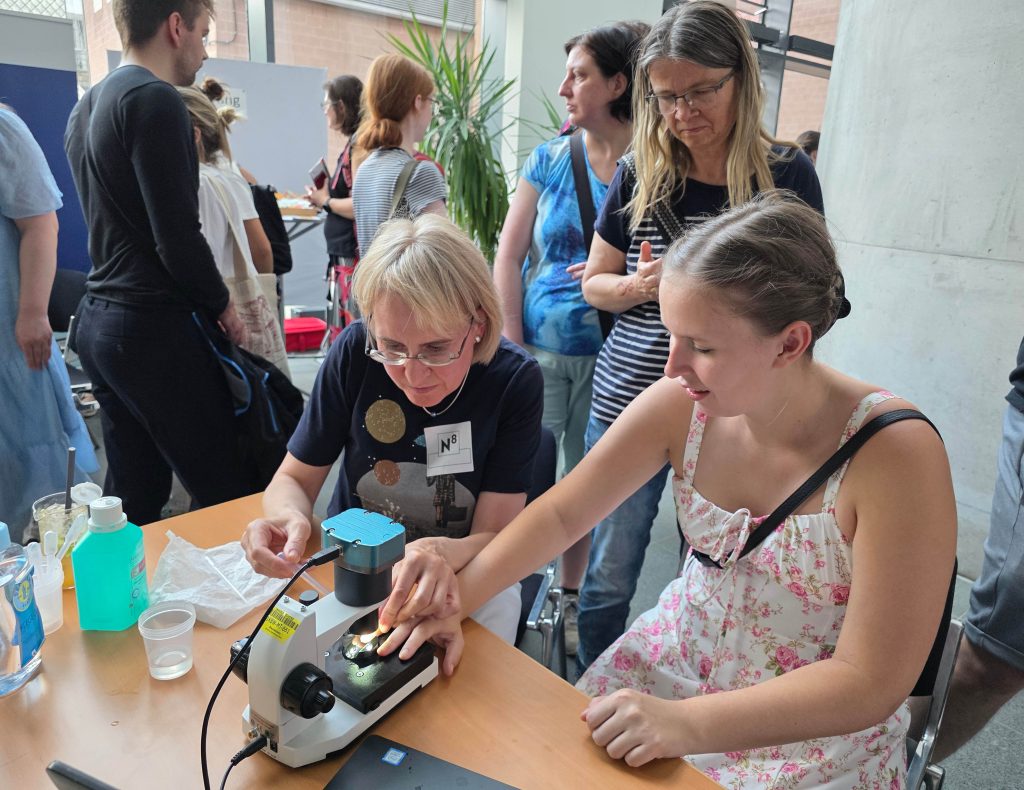
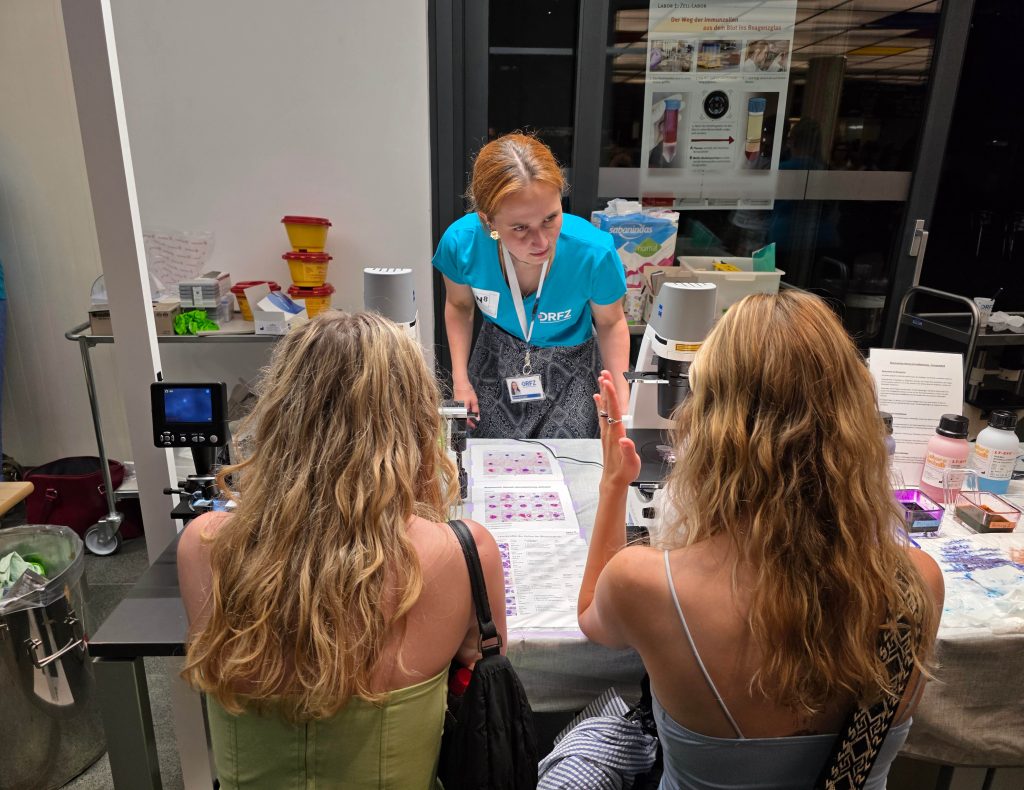
Find out your blood type and look at your own white blood cells under a microscope. You will learn more about the function of our immune cells, which can both protect us and make us ill.
What types of cells are active in our immune system and how do they interact with each other? How does an immune response work, how do vaccinations work and what mechanisms are behind allergic reactions?
What does the gut flora say about our health?
Around 70-80% of our immune system is located in the gut. Healthy gut flora plays a crucial role in maintaining a balanced immune system. The microorganisms in the gut interact with immune cells and support the defence against pathogens.
An imbalance in the gut flora can lead to inflammation and increase the risk of immune-mediated diseases such as allergies, asthma and inflammatory bowel disease. You will have the opportunity to view the different types of bacteria in the gut under a microscope and learn more about our examination methods.
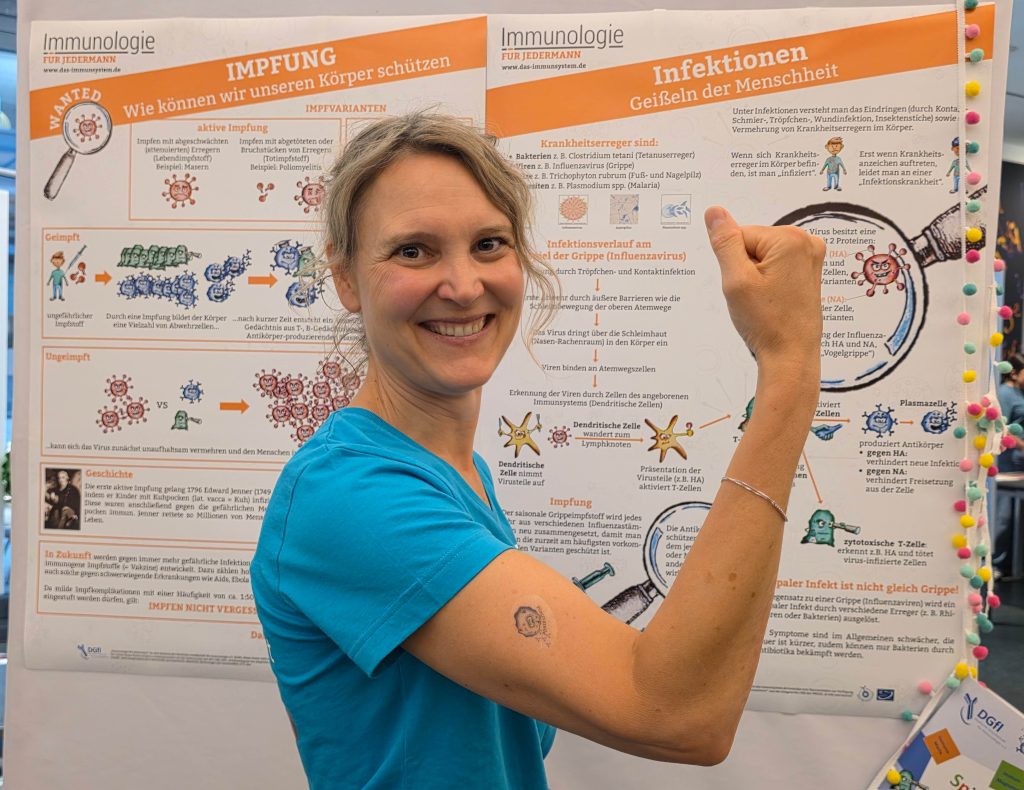
German Society for Immunology – The immune system explained in a playful way
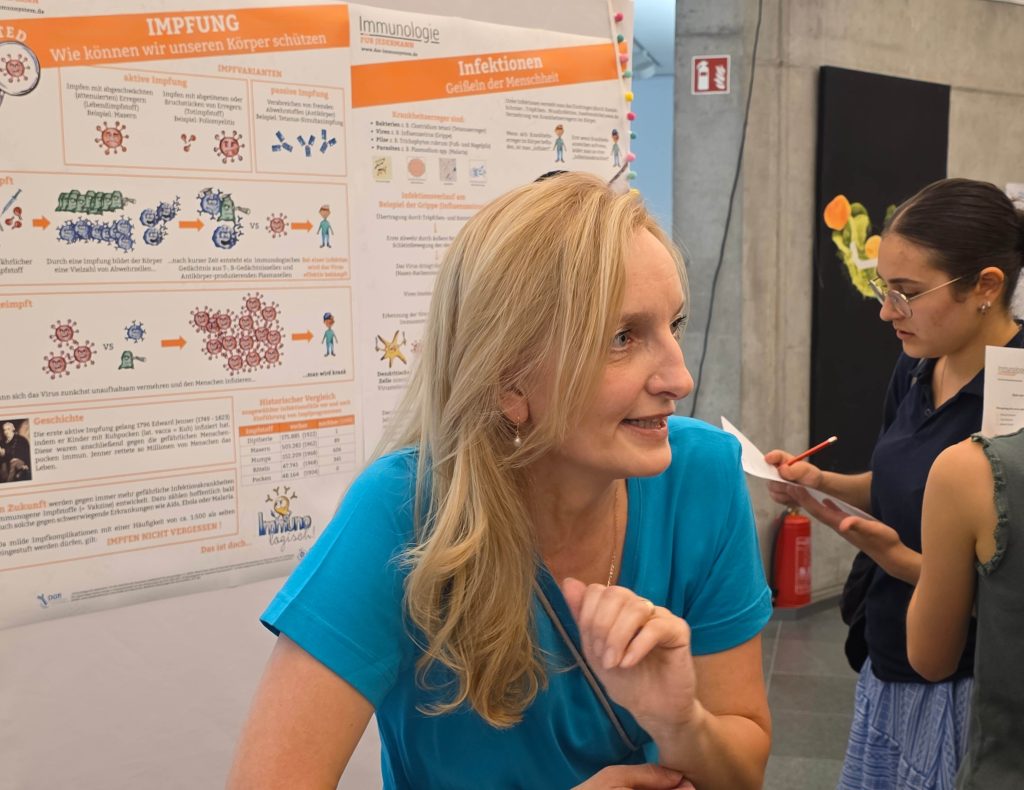
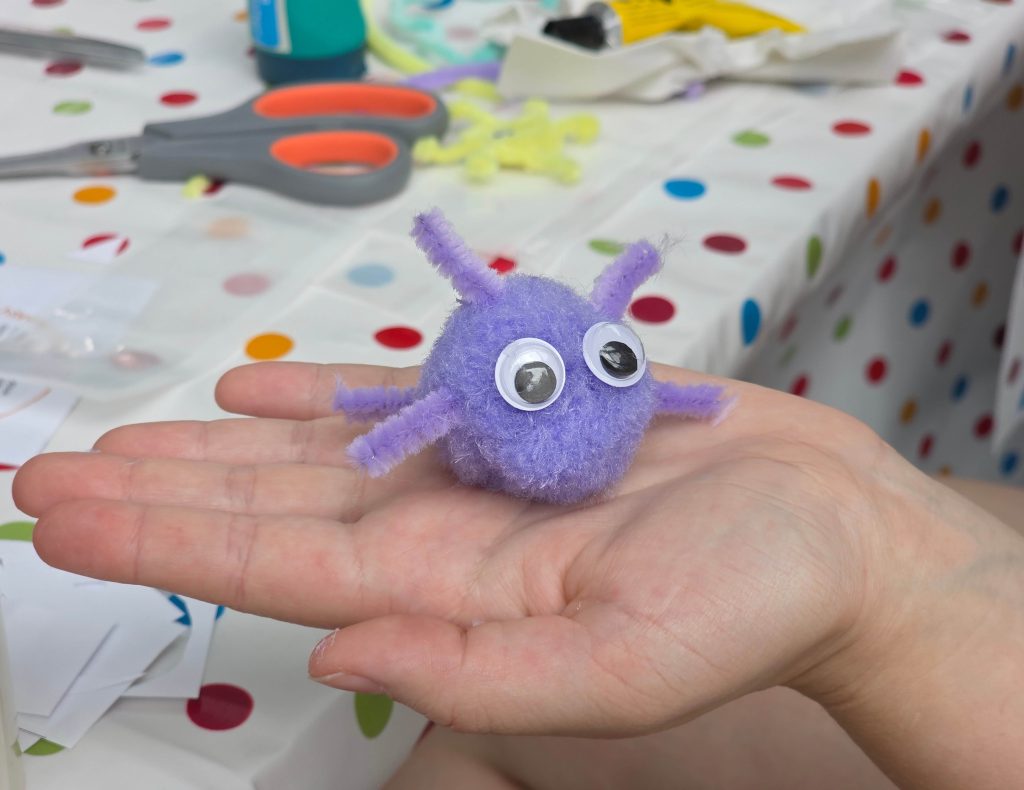
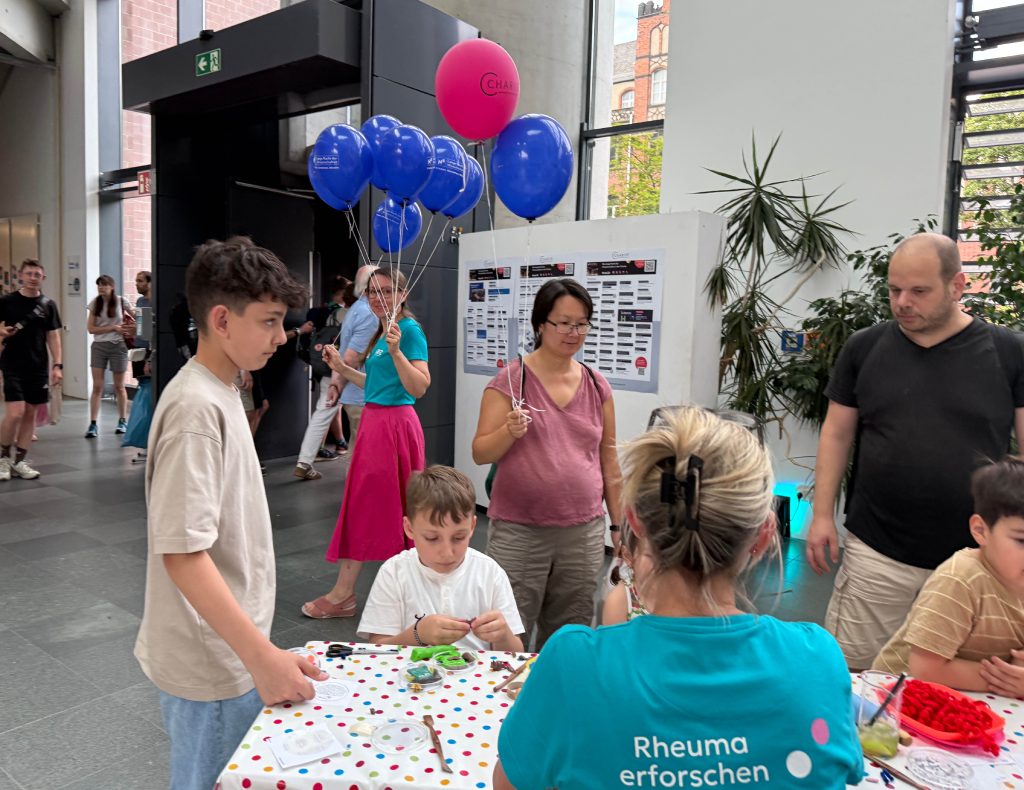
At the DGfI booth, you can immerse yourself in the exciting world of the immune system: learn, for example, how your body fights viruses and how your immune cells keep you healthy through genuine teamwork. We invite you to join us for fascinating information about the immune system, great games and art projects: fun for young and old alike!
Mice, zebrafish & co. – Research with model organisms
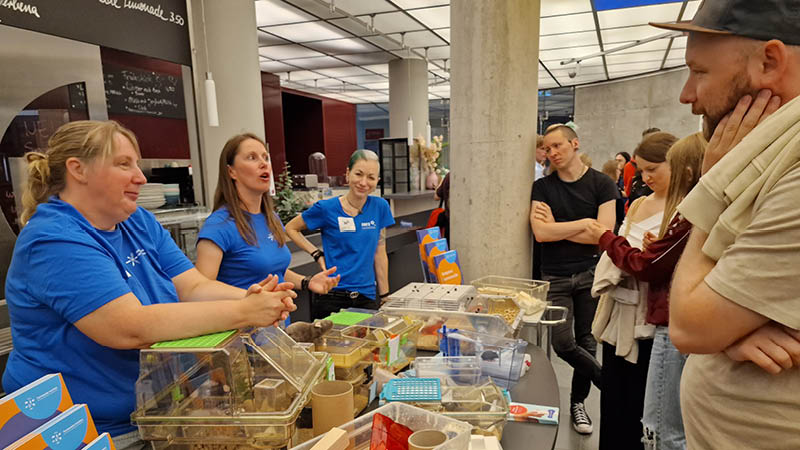
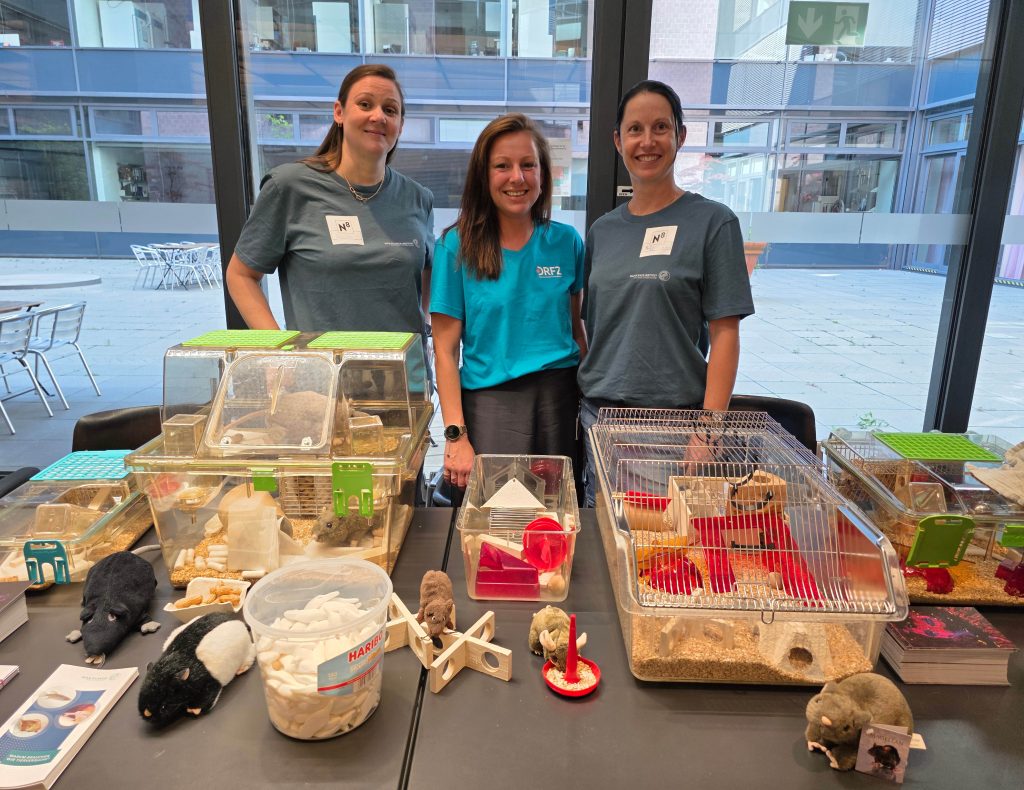
Scientists at DRFZ and MPI-IB also use model organisms to study inflammation and infectious diseases. Mice, zebrafish and other animals serve as models for the human body and help us to better understand our immune system and its response to pathogens and inflammation. At our stand, we will present our experimental animal husbandry and explain how and in what context animal experiments are carried out at our institutes.
Institute tour – how do we research inflammatory cells at the DRFZ?
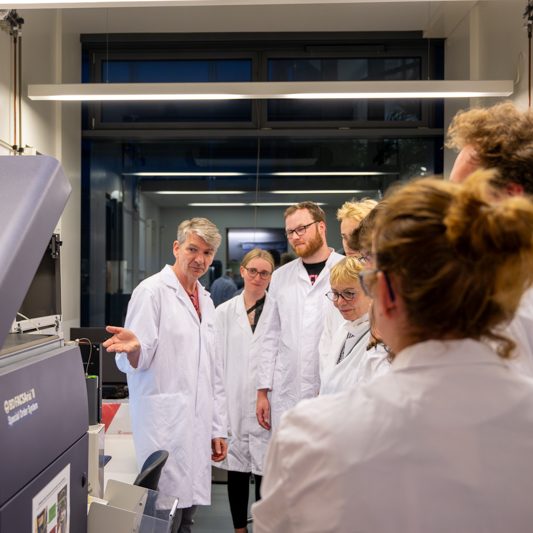
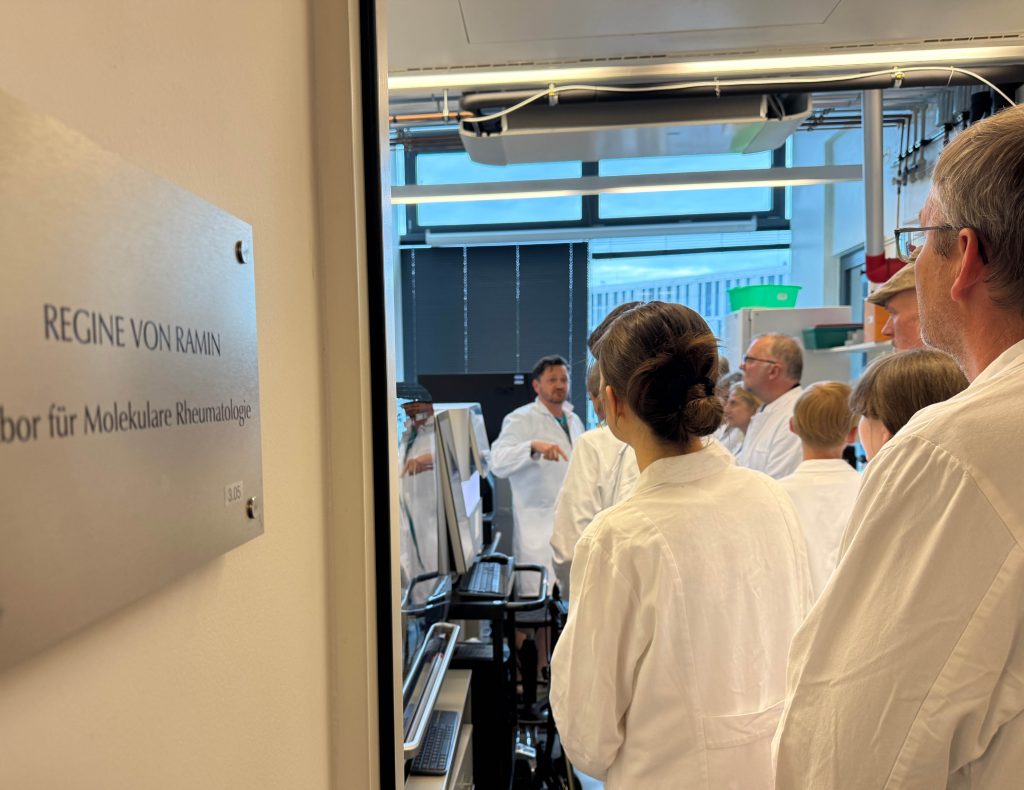
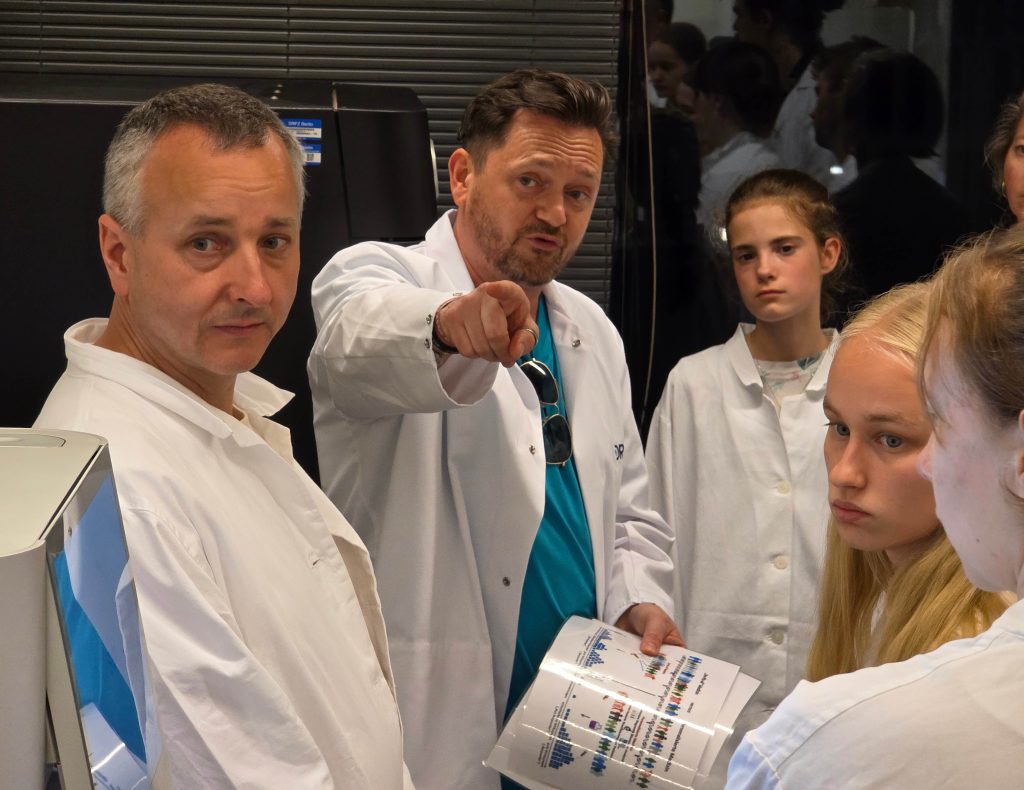
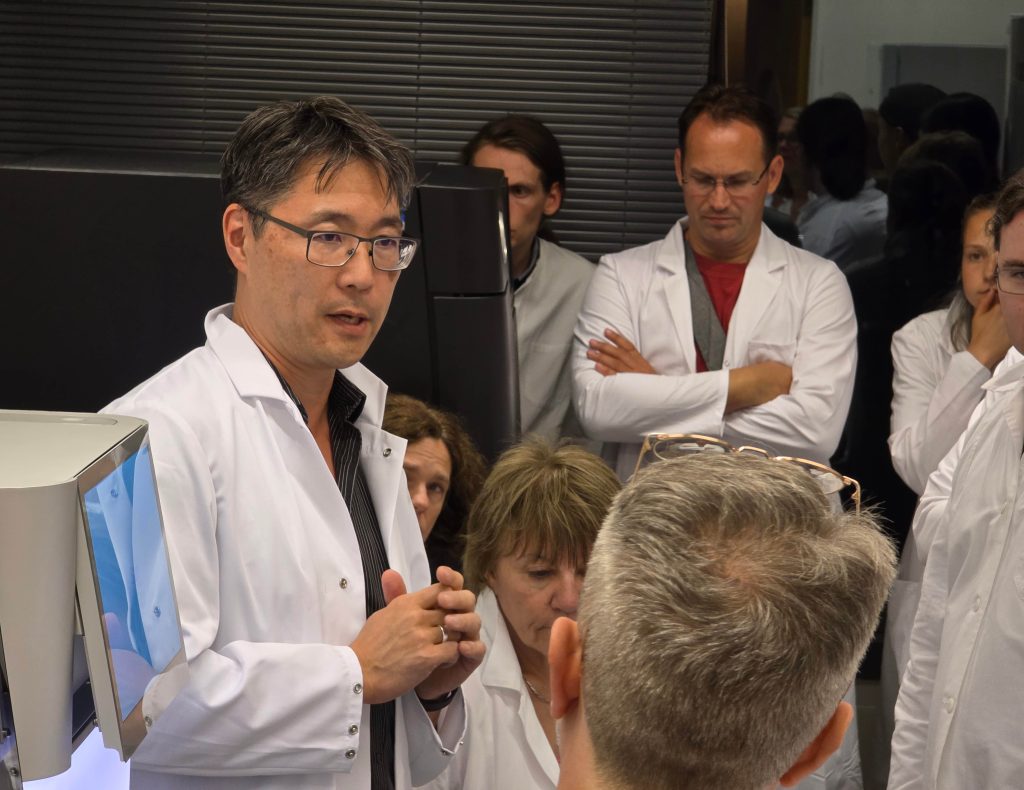
We provide insights into the technologies and research methods used at the DRFZ – from the FACS laboratory to the cell culture laboratory and the Ramin laboratory. Follow the path that blood cells and tissue samples from patients usually take through our institute.
Please register at the information point: Tours start at 5:30 p.m., 6:30 p.m., 7:30 p.m., 9:30 p.m. and 10:30 p.m.
How does our body stay in balance – and when does disease begin?
Health is not a matter of chance. Our immune system keeps tissues in balance and responds to environmental stimuli. If this balance is disrupted, unnoticed precursors can develop that later lead to chronic inflammation or cancer. The ImmunoPreCept Cluster of Excellence is researching how immune cells stabilize tissue, why this ability declines, and how early molecular changes can be detected—long before symptoms appear. At our booth, you can try out an interactive game to see how quickly a biological system can tip over and what modern prevention research can achieve today.
Mobile inflammation consultation with Berlin rheumatology clinics
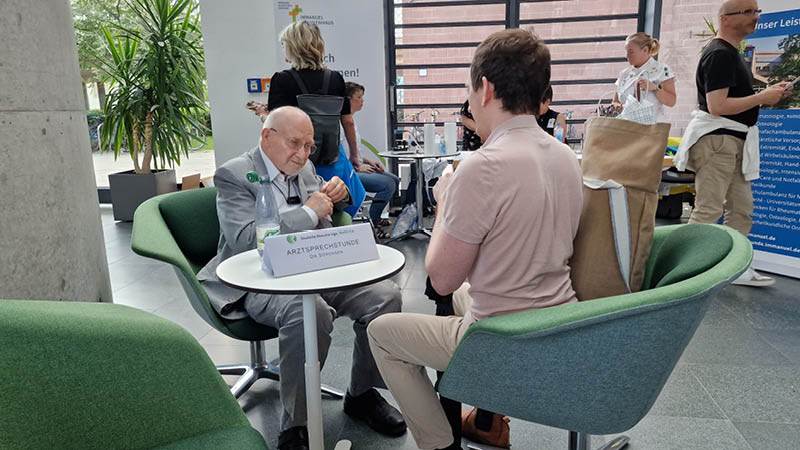
Rheumatologists will be available throughout the evening to answer your questions.
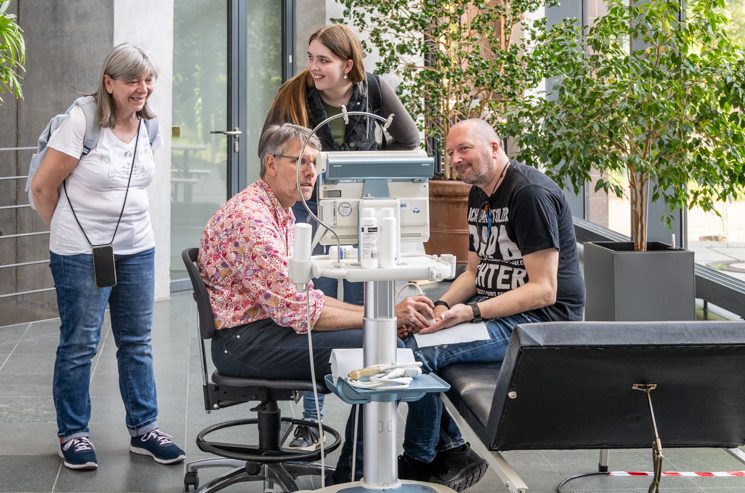
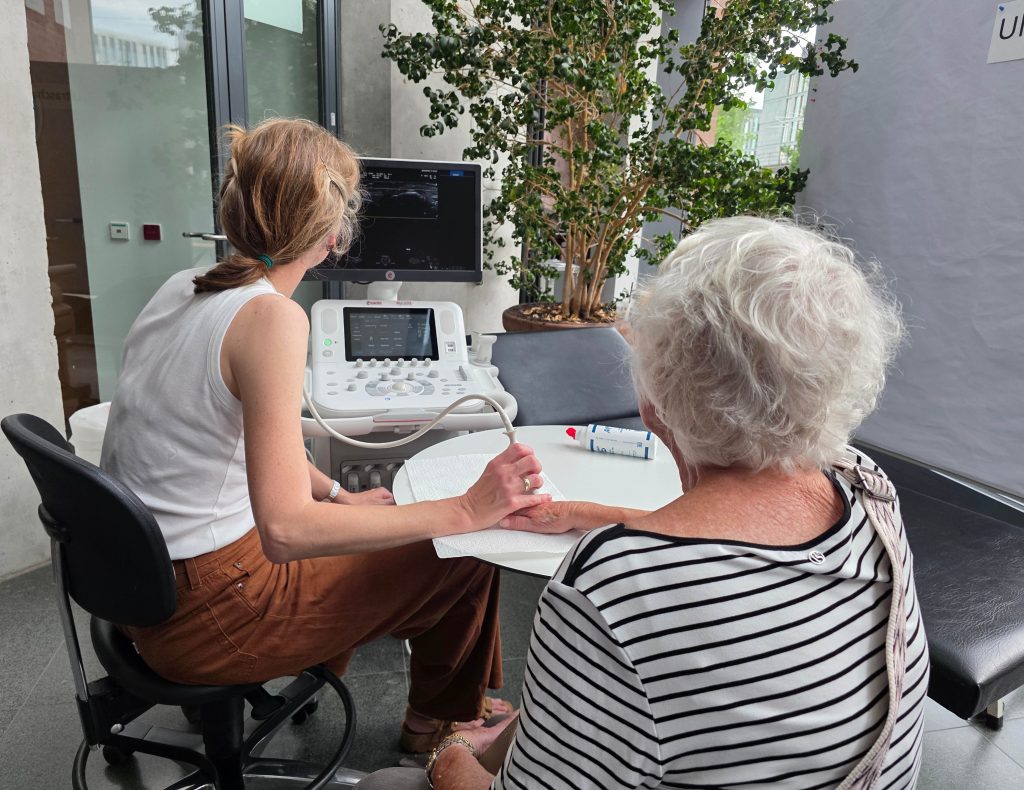
Ultrasound and free consultation, including nutritional advice and fitness checks.
We have specialists from the Clinic for Rheumatology at Charité-Universitätsmedizin Berlin, Immanuel Hospital Berlin (Wannsee and Buch) and the Rheumatology Department at Park-Klinik Weißensee as our guests
The capillary microscope is used to examine the smallest blood vessels in the skin, the capillaries, using a special light microscopy technique. This allows us to assess disease-related damage that can be caused, for example, by inflammatory processes or changes in the connective tissue in the vessels. What do your capillaries look like? The method is completely harmless and painless. Characteristic changes can be observed in some inflammatory rheumatic diseases of the blood vessels, skin or connective tissue (known as vasculitis and collagenosis).
Help for self-help – patient organisations at the DRFZ
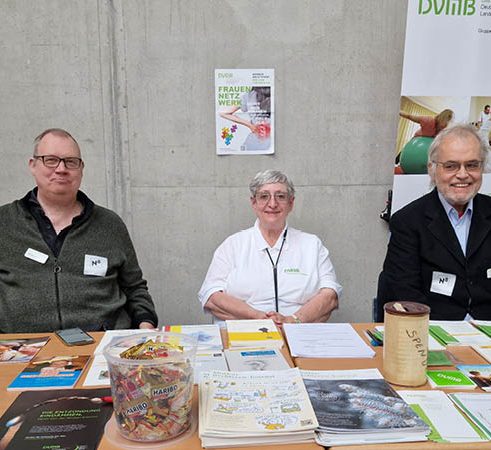
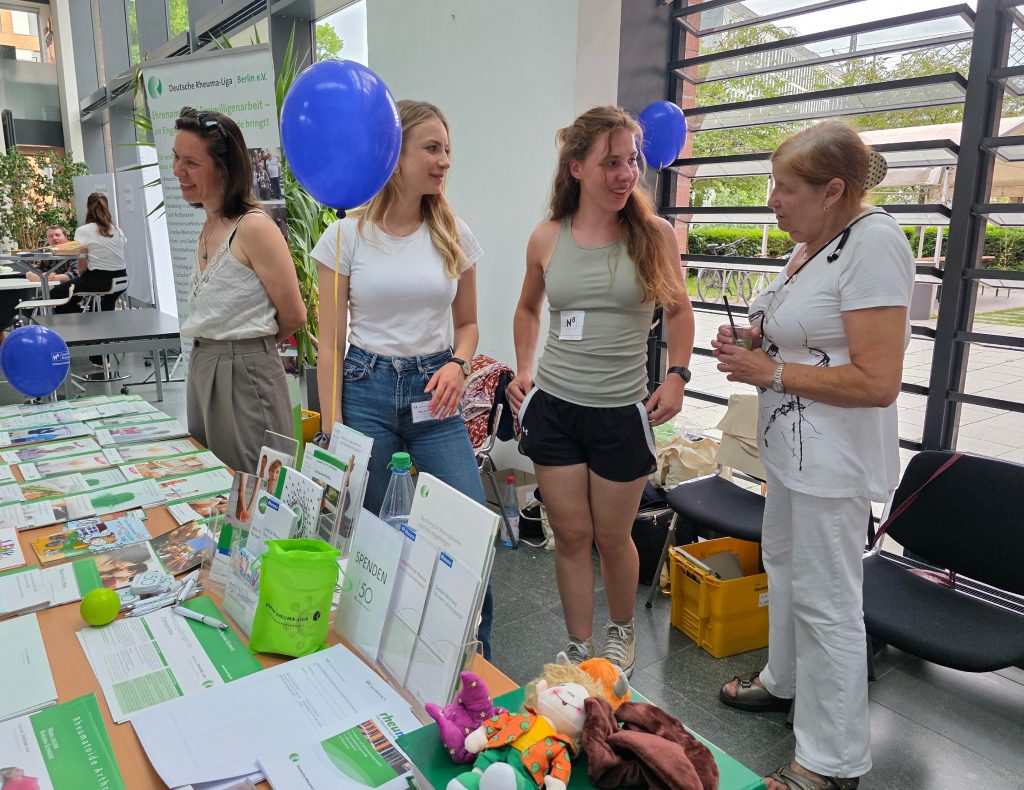
Find out about self-help options. The patient organisations Rheuma-Liga Berlin e.V. and Deutsche Vereinigung Morbus Bechterew e.V. provide information about self-help options for those affected, their relatives and interested parties.
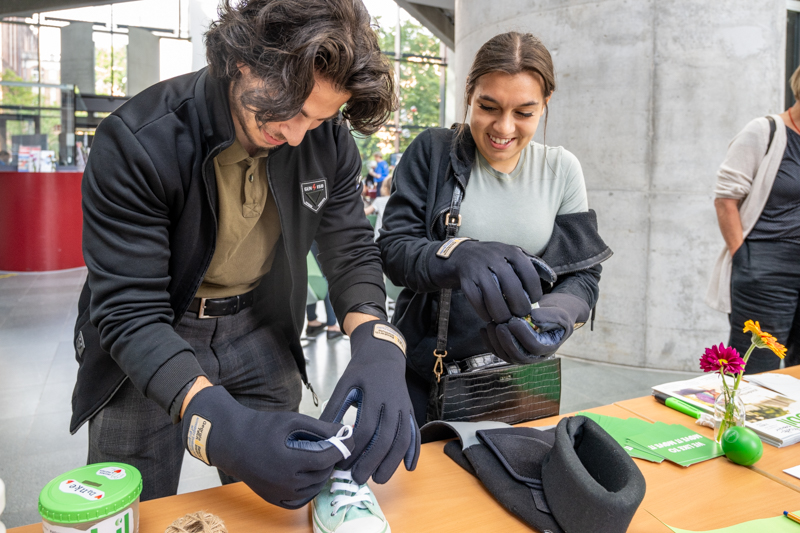
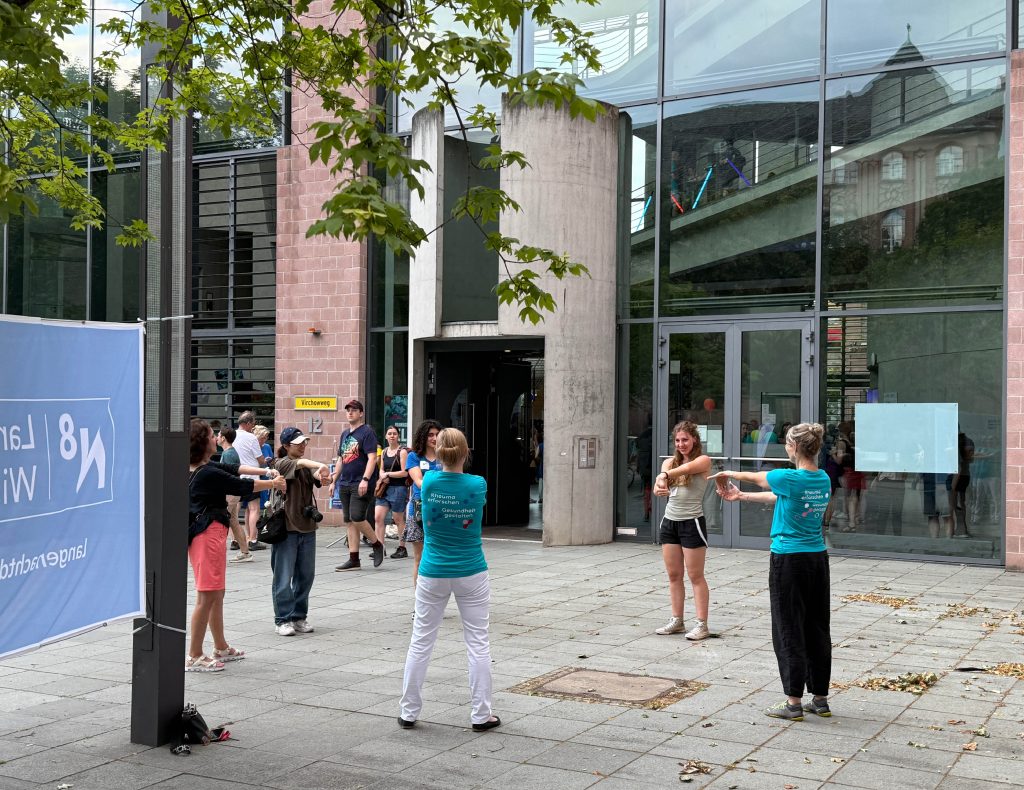
Have fun being active: At the Deutsche Rheuma-Liga Berlin e.V. information stand, you can try on rheumatism gloves, take part in a rheumatism quiz and find out about self-help options for those affected: GERT age simulation suit – rheumatism gloves – rheumatism quiz with small prizes – doctor’s consultation – information material from the Rheuma-Liga and the Wolfgang Schulze Foundation
The DVMB provides information about the clinical picture, early detection, treatment options and the self-help network. You can also test your mobility with us and find out what aids we use in our everyday lives.
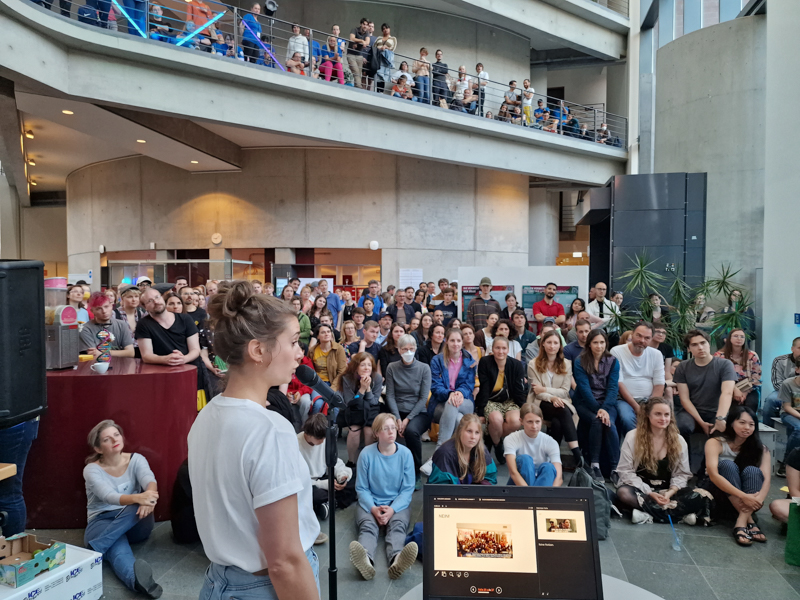
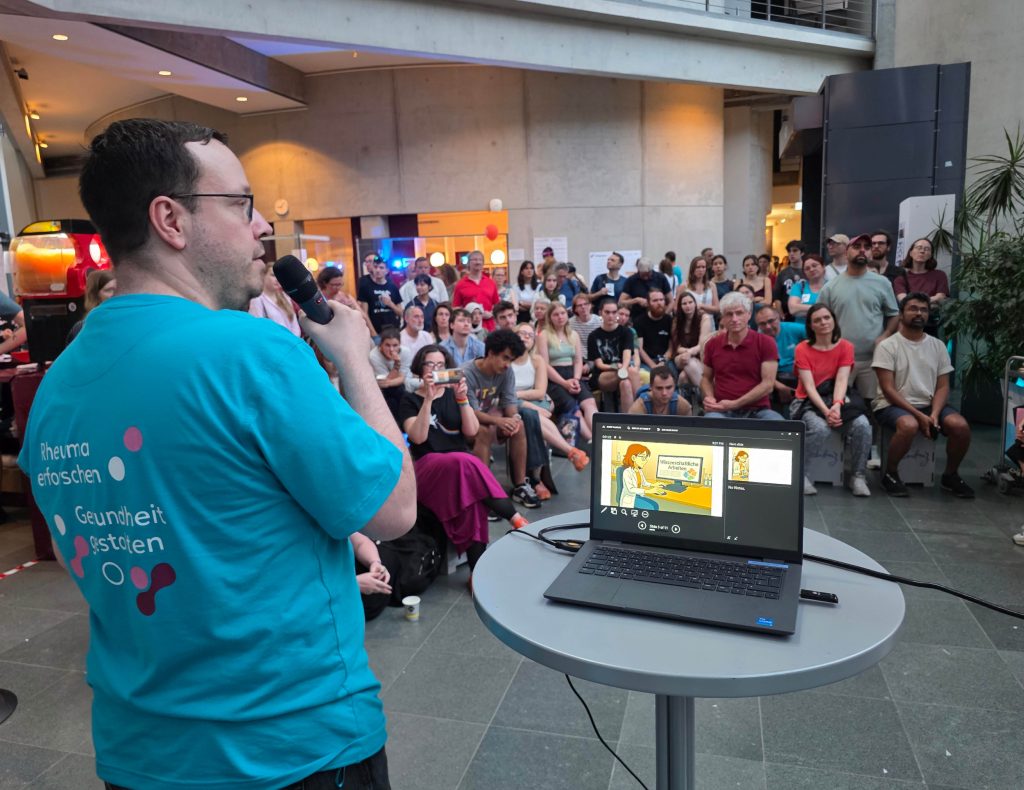
Science Slam: Of humans and microbes
Young scientists from the DRFZ and MPI Infection Biology present their research at our institutes in an entertaining way.
At 8:30 p.m. in the foyer
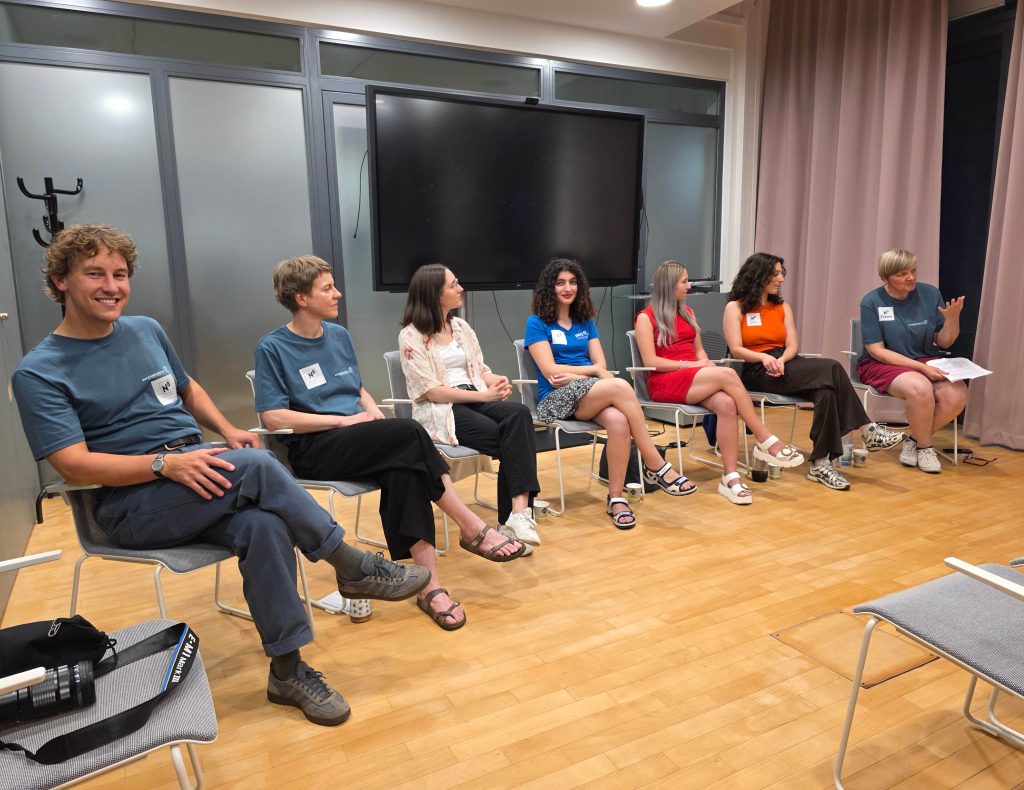
Panel discussion: ‘How do you become a scientist?’
Are you thinking about going into science? School pupils, students and anyone interested in a career in scientific research are invited to attend. Researchers from the fields of rheumatology, immunology and infection biology will talk about their career paths in science – whether direct or indirect. You will gain first-hand insight into the fascinating everyday life of a researcher and their exciting work. Our experts will answer your questions about careers in science and the requirements for starting a career.
Panel discussion with questions from the audience, 9:30–10:30 p.m., Seminar Room 1+2
Together with specialists from Berlin rheumatology clinics, the Deutsche Rheuma-Liga, the Morbus Bechterew Association and the German Society for Immunology, we invite curious visitors to our institute to take part in hands-on experiments, join guided tours of our laboratories and discuss the medicine of the future.
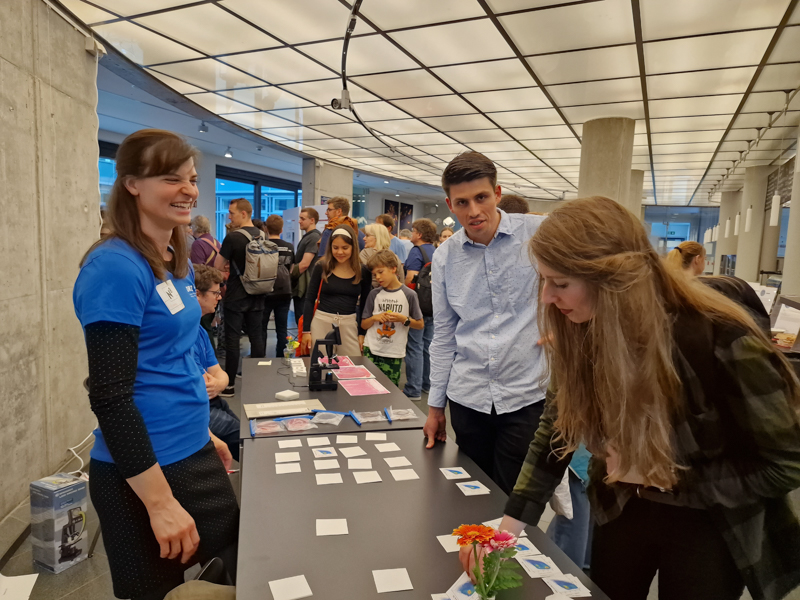
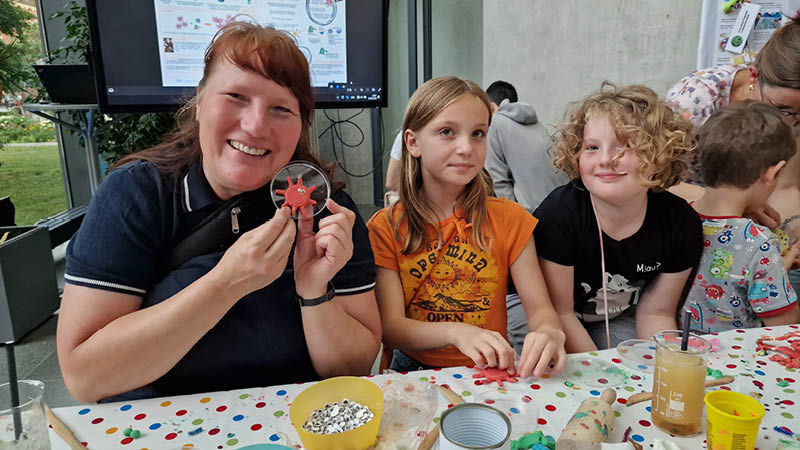
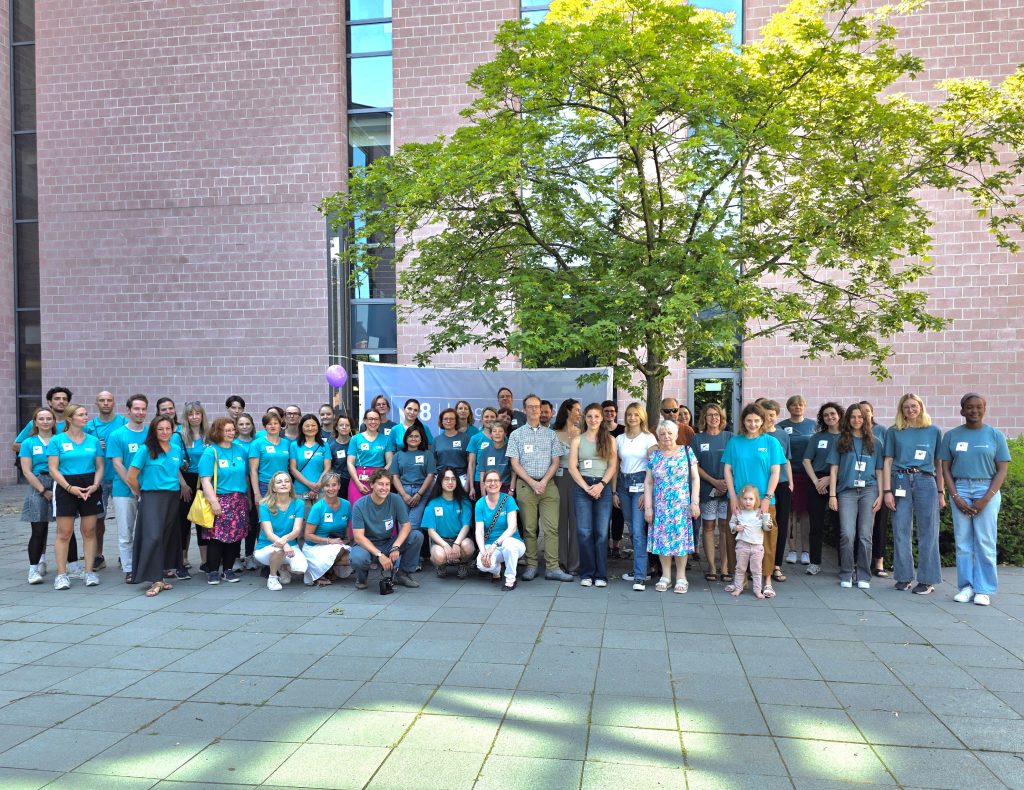
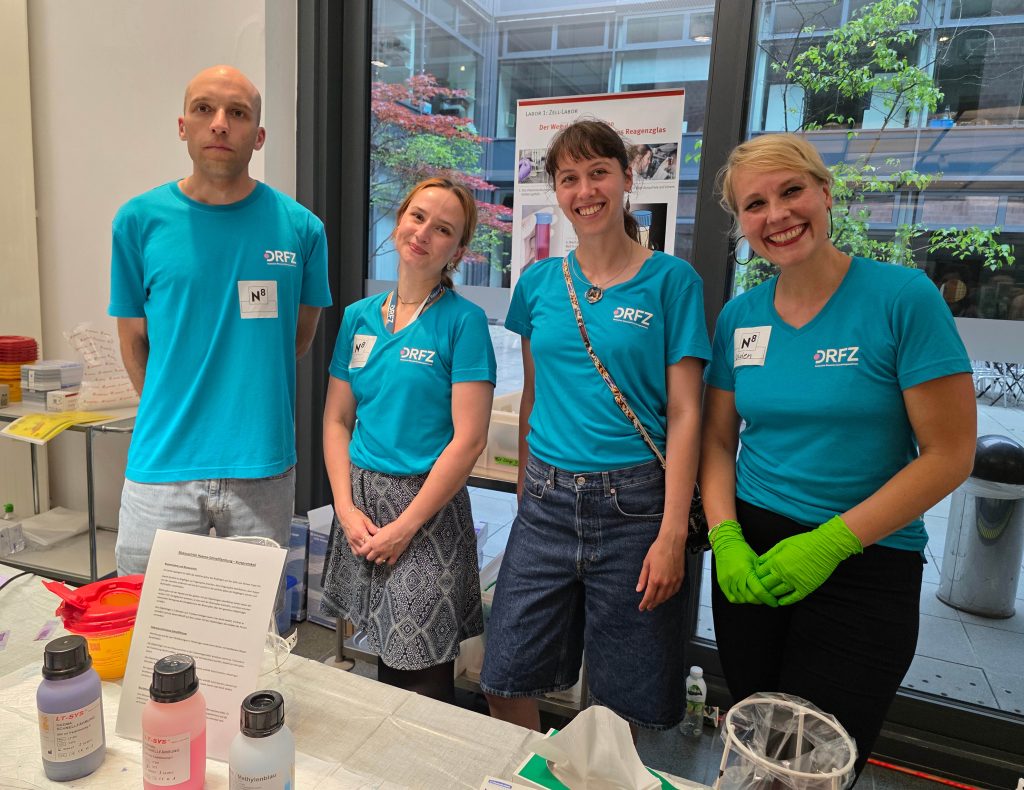
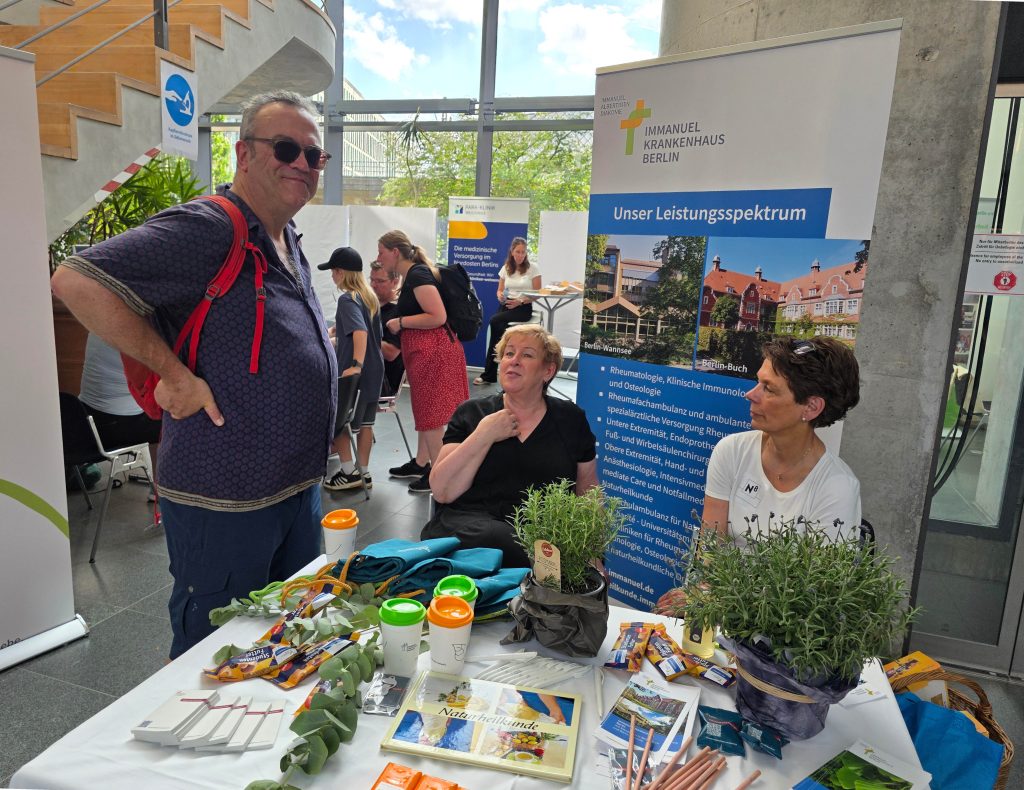
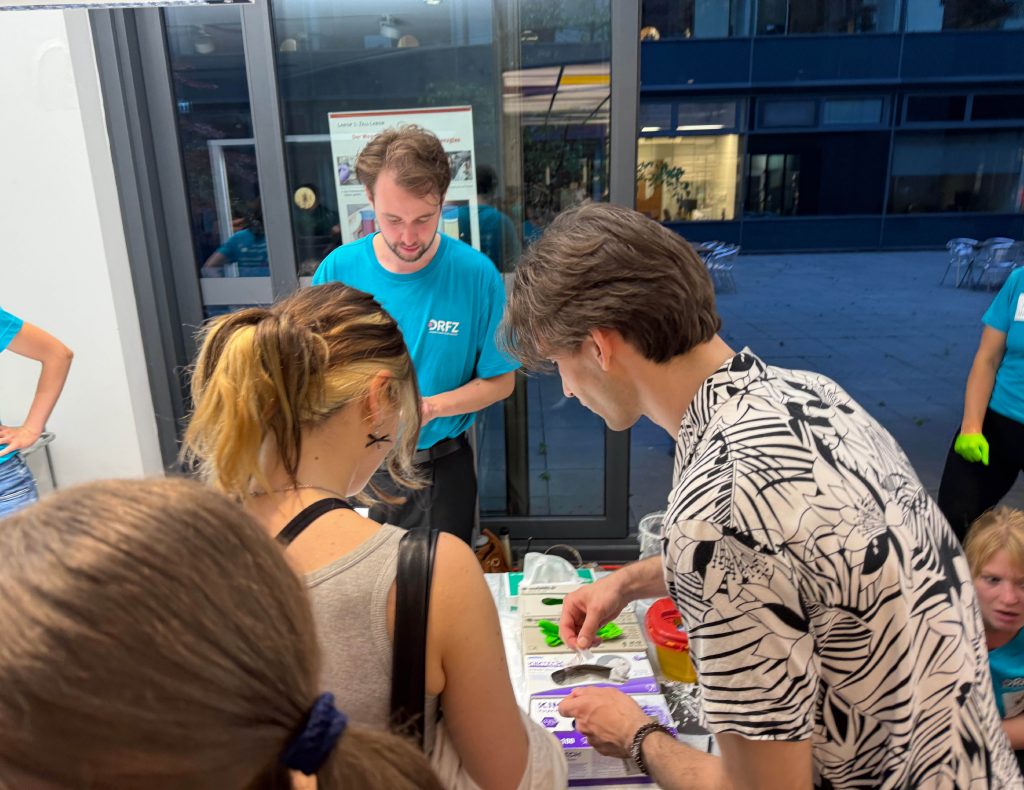
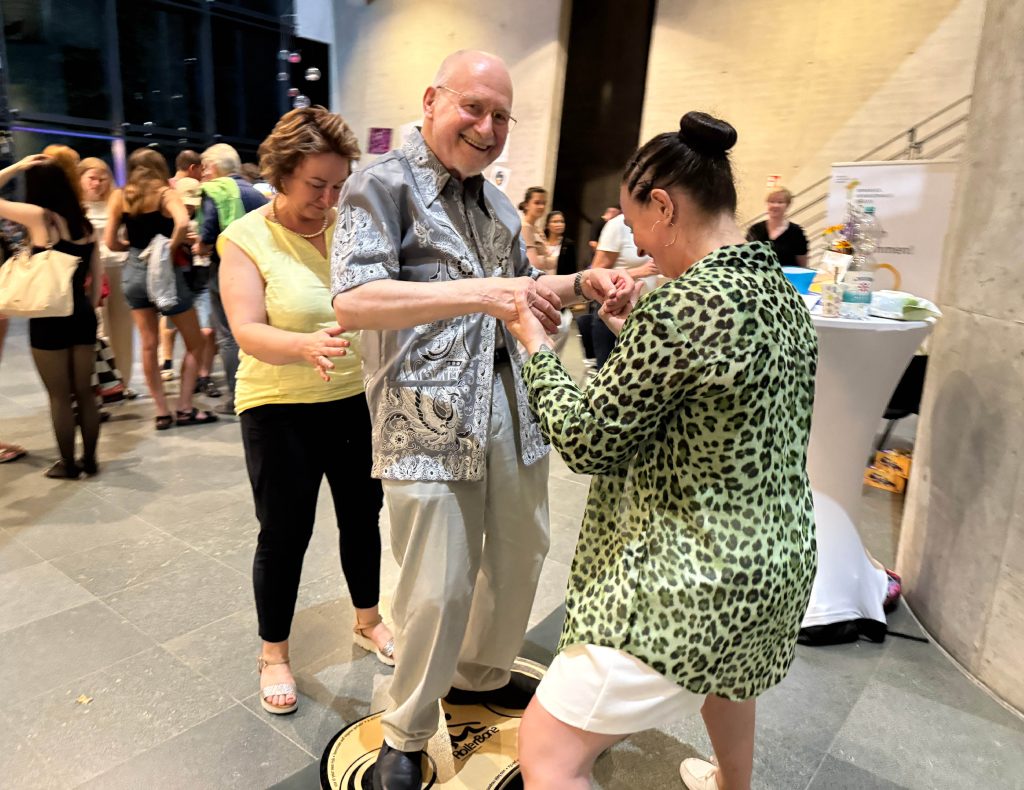
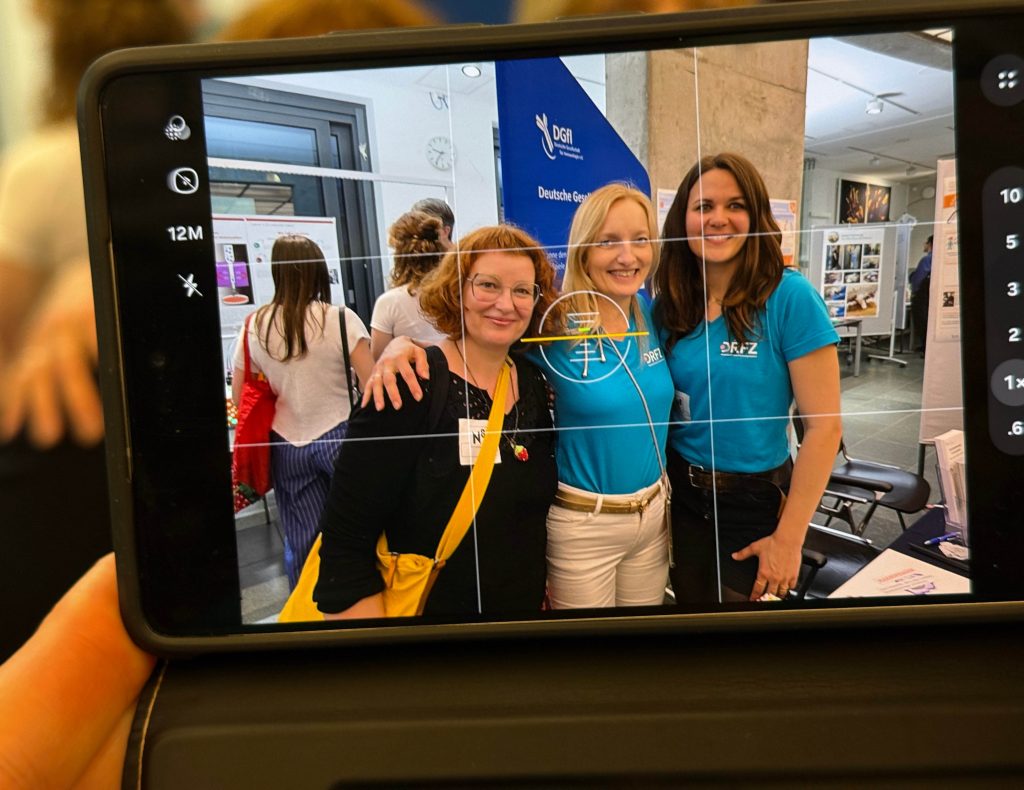
Impressions of the LNDW 2025
Buy tickets
You need to load content from reCAPTCHA to submit the form. Please note that doing so will share data with third-party providers.