Fatigue affects many patients with rheumatic disease

Despite improved inflammation control 50 % of patients with rheumatic disease suffer from persistent exhaustion or fatigue
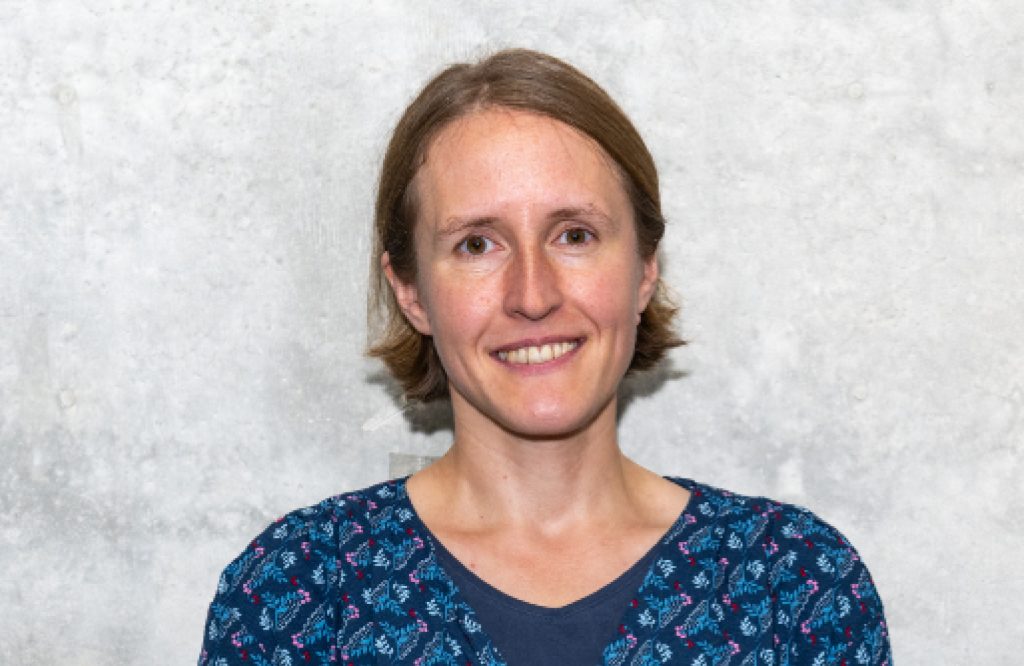
Many people with inflammatory rheumatic diseases suffer from severe, persistent exhaustion or fatigue. Despite significant advances in controlling inflammatory activity, fatigue remains a common and clinically relevant symptom: approximately 55–67% of patients are affected, with up to 26% experiencing severe forms. Scientist Katja Thiele from the Health Services Research Group led by Dr Johanna Callhoff at the German Rheumatology Research Center (DRFZ) published these findings together with colleagues and rheumatologists in February 2026 in the international journal Seminars in Arthritis and Rheumatism.
Annual data from nearly 10,000 patients from German National Database (NDB) was evaluated for the analysis. Katja Thiele was able to show that more than half of those affected by various inflammatory rheumatic diseases – from rheumatoid arthritis and spondyloarthritis to collagenoses and vasculitides – report moderate to severe fatigue. Depending on the diagnosis, 47–61% of women and 35–52% of men were affected. The trend analysis of fatigue data from 2007 to 2023 also showed that the average fatigue burden remained unchanged overall, despite significant improvements in inflammation-related markers and increasing workforce participation.
The trajectory analysis over three consecutive years showed that while 19% of patients had improved fatigue, 23% had persistently high fatigue, 24% had worsening fatigue, and 35% reported persistently low fatigue. Furthermore, emotional well-being, physical functioning, coping strategies, and sleep quality were more strongly associated with the course of fatigue than inflammatory laboratory parameters.
“The progression of fatigue reflects the complex interplay of clinical and psychosocial factors,” says Katja Thiele, summarising the relevance of her findings. “Treatment should include multidimensional interventions that go beyond traditional inflammation control to also address emotional well-being, physical functioning and social support.”
Original publication
Scientists involved
Grafik: Adobe Stock (332624215)