Rheumatic diseases in focus. Rheumatic diseases in focus. Shaping health. German Rheumatology Research Center, a Leibniz Institute
Shaping the Future of Rheumatology
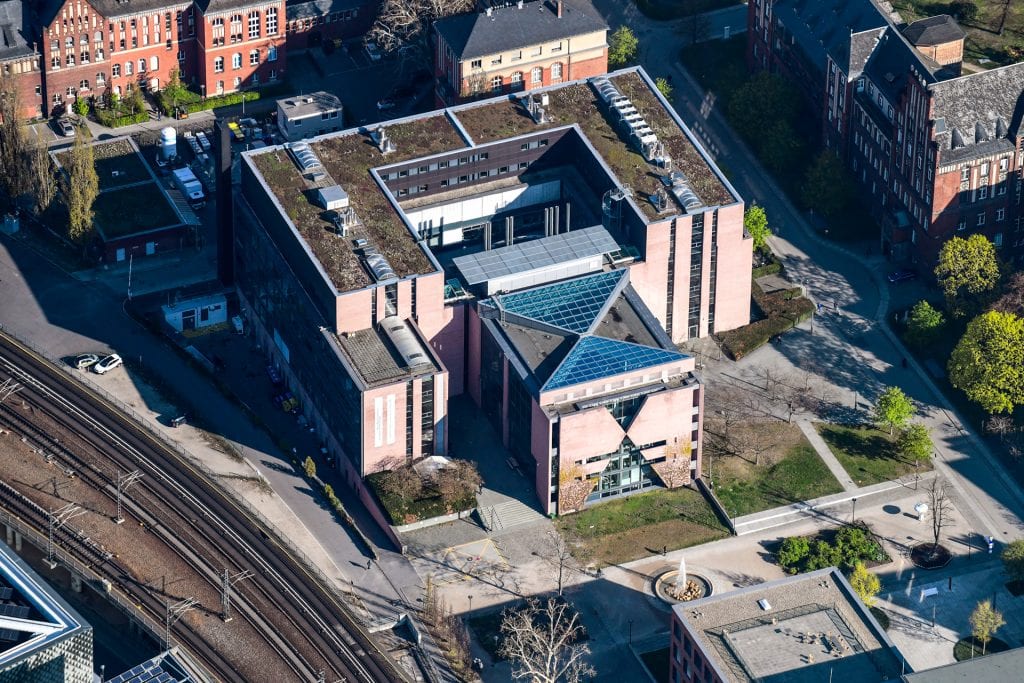
The DRFZ is a Leibniz Institute dedicated to improving the understanding, diagnosis, treatment, and care of people with immune‑mediated rheumatic diseases.
We combine basic research, systems biology, translational research, and epidemiology with state‑of‑the‑art technologies to develop preventive approaches and personalised—potentially curative—treatments. Using nationwide data and large patient cohorts, we assess disease burden, identify risk factors, uncover gaps in health care, and evaluate how well therapies work in real life. These insights guide our research and help ensure that new discoveries lead to meaningful improvements in patients’ lives.
Spotlight on 2026 Science Year: ‘Medicine of the Future’
The DRFZ is taking part with the motto: ‘Focus on the medicine of the future: researching rheumatology – shaping health’. We show how our research supports earlier detection of rheumatic diseases, more targeted therapies and better patient care.
Our planned events include:
- Long Night of Science on 6 June 2026 at the DRFZ
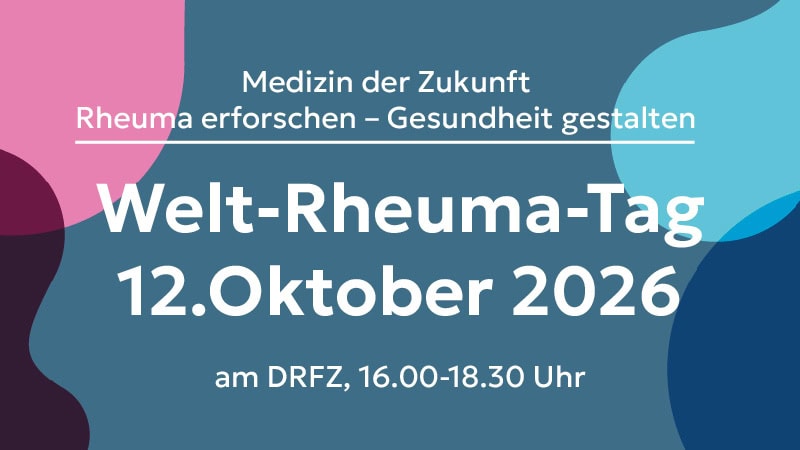
- Activities for World Arthritis Day on 12 October 2026 (programme in preparation)
Our research areas
Focus on immune cells: advanced technologies at the DRFZ
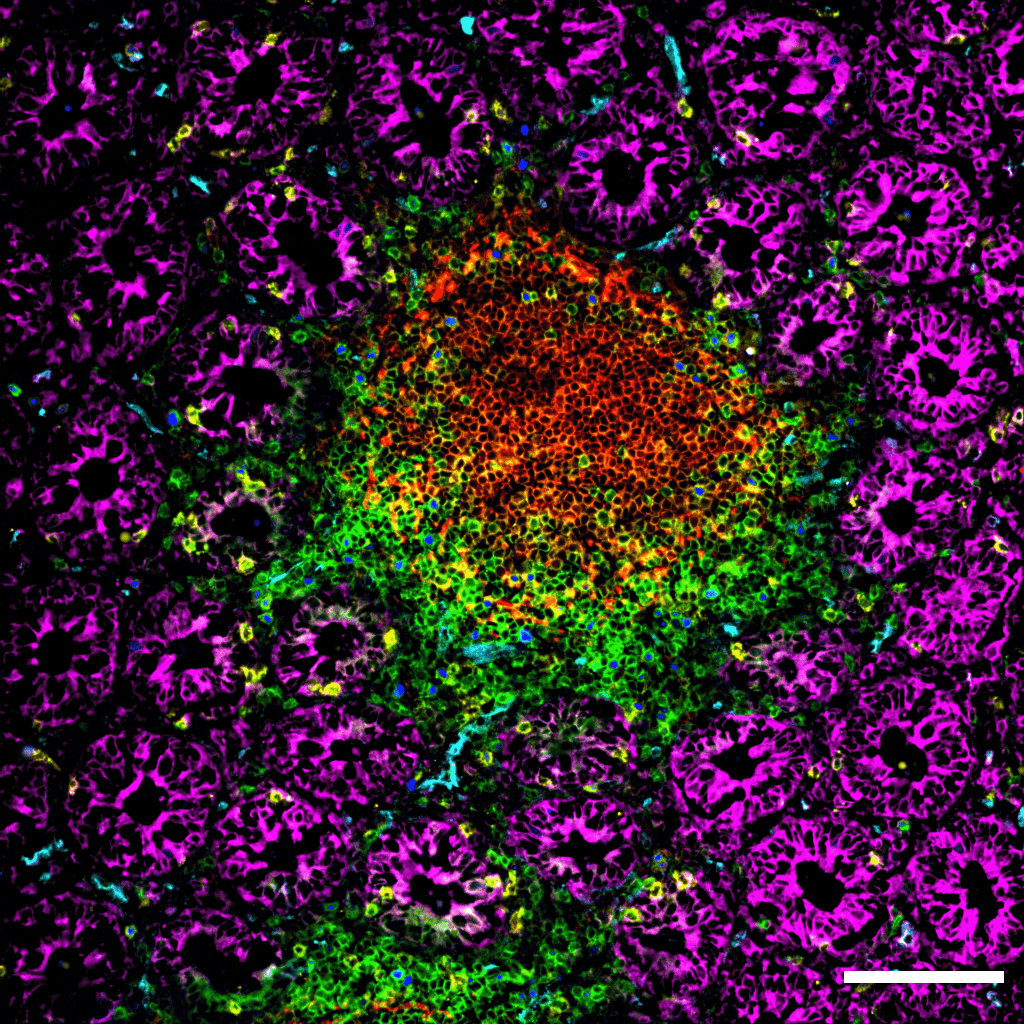
Imaging technologies play a central role in biological research by enabling the visualization of cellular and subcellular structures at the highest resolution. Through advanced microscopy techniques, such as confocal and fluorescence microscopy, researchers can observe dynamic processes in living cells and analyze their interactions in real time. These precise visualizations are crucial for deepening the understanding of diseases and identifying new therapeutic targets.
read more…

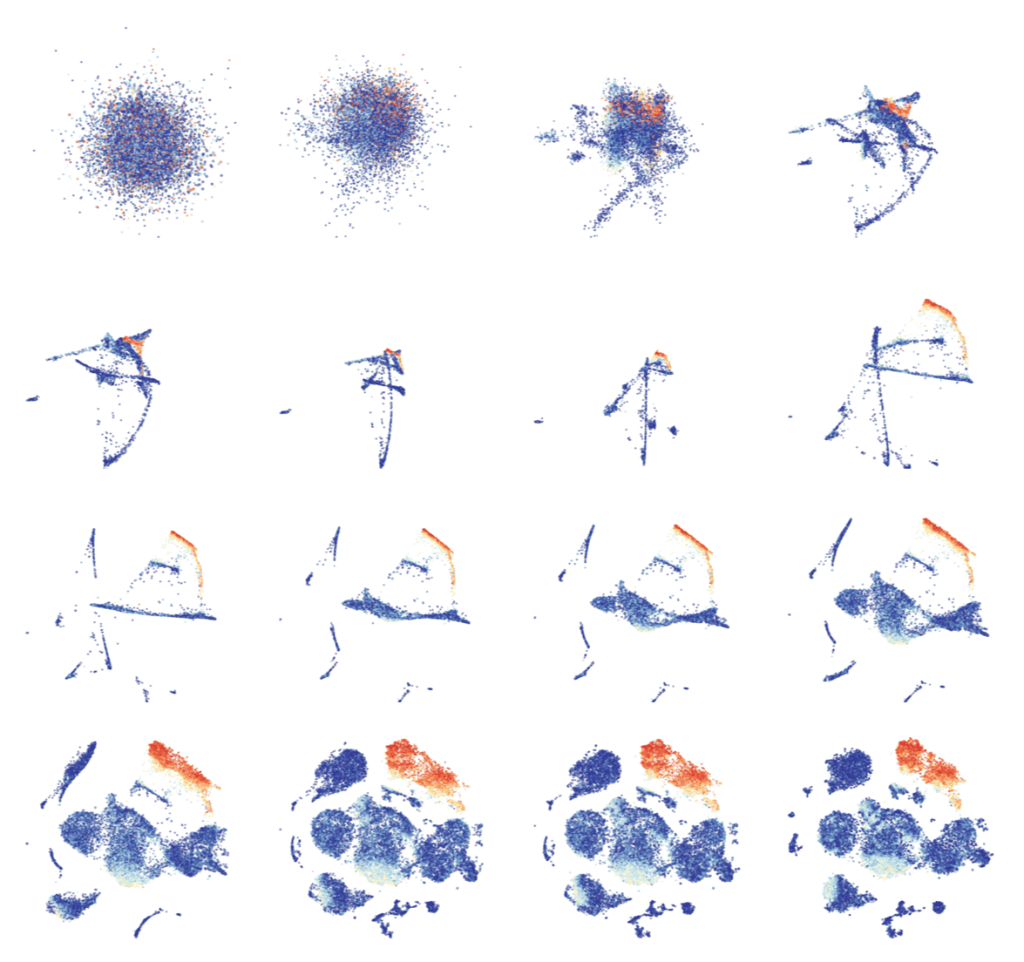
Flow and mass cytometry provide powerful methods for analyzing cell populations in real time by examining individual cells based on their physical and chemical properties. These technologies allow for the simultaneous measurement of multiple markers, delivering detailed information about cell diversity, activation, and state. This is especially important in immunology and cancer research, where understanding heterogeneous cell populations is critical for developing new therapies.

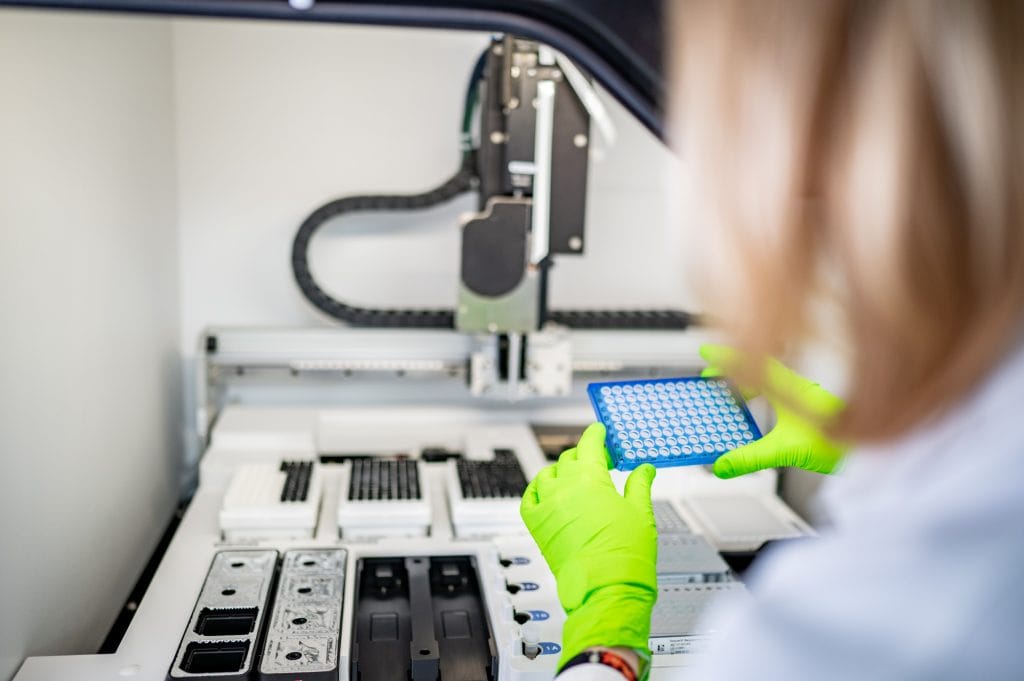
Robotic solutions are revolutionizing research at the DRFZ by increasing the efficiency and reproducibility of experiments. Automated systems take over routine tasks such as pipetting and sample preparation, minimizing human error and reducing processing times. These technologies allow researchers to focus on more complex analyses and creative questions, ultimately leading to faster and more accurate research outcomes.
News
Seminars
Alisier Malard, Polansky lab
Héctor Julián Rincón Arévalo, Dörner lab
Lena Teichert, Alexander lab
Information for Patients and interested parties
Research and Rheumatology